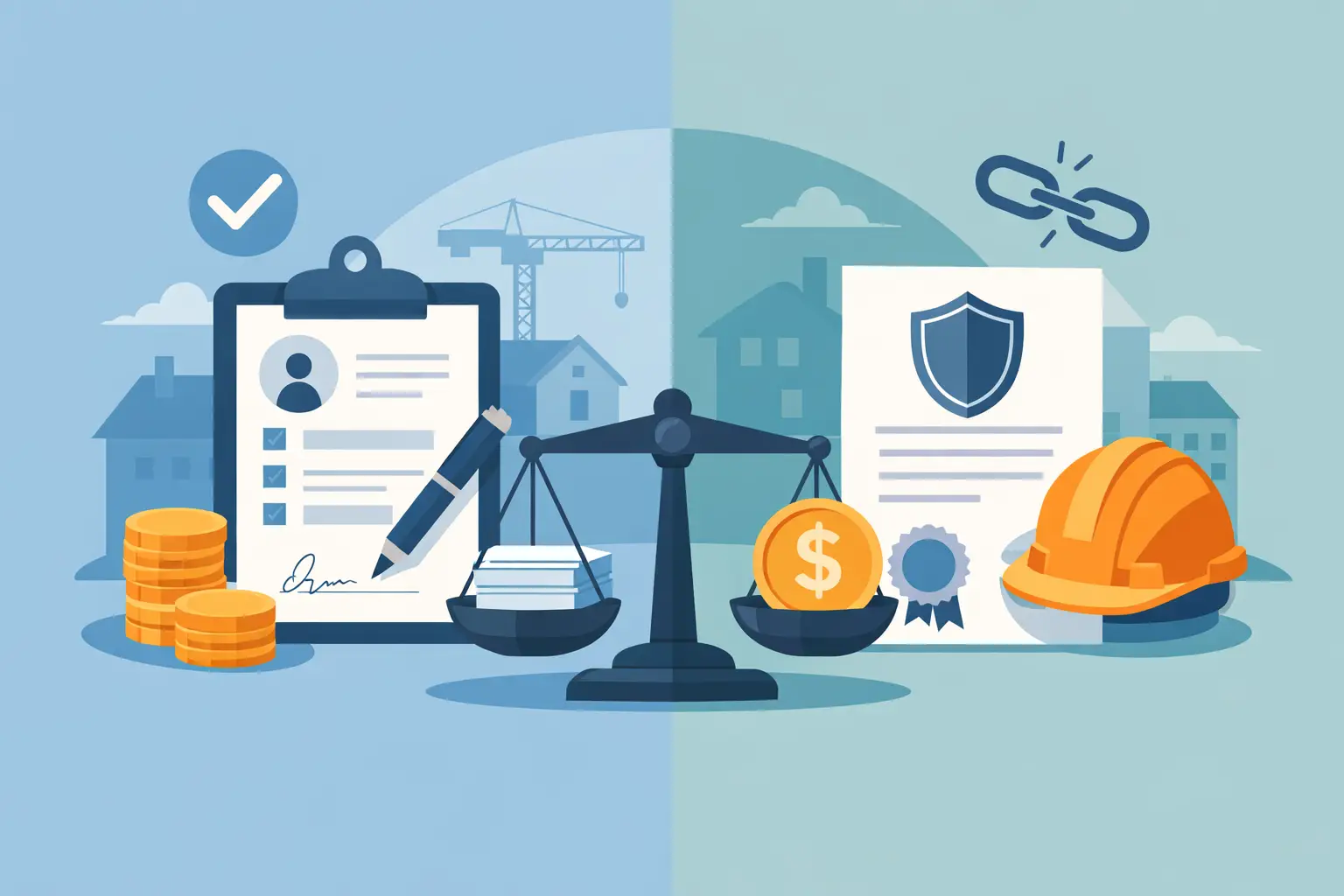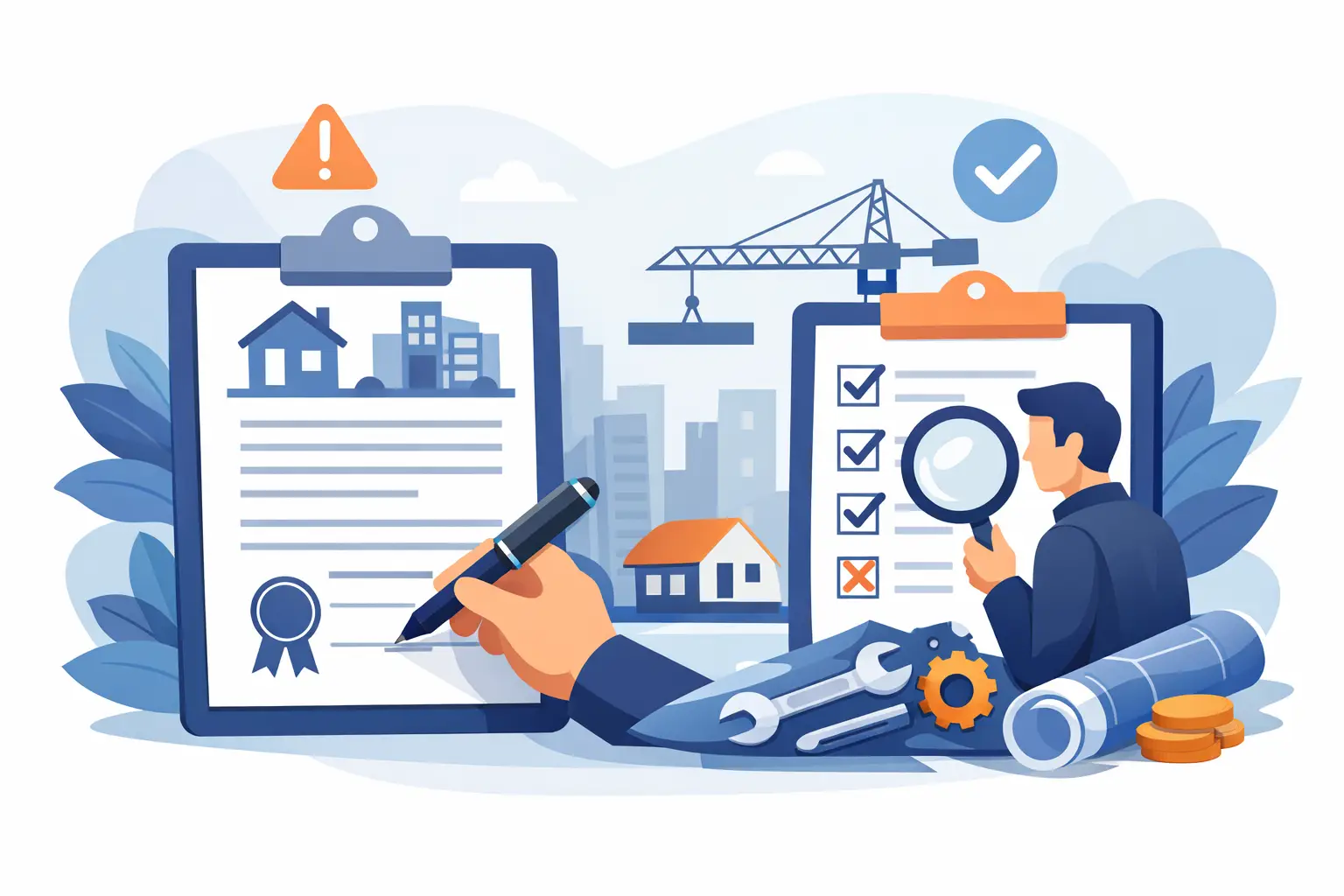

A lien can be prepared perfectly and still create problems if it names the wrong owner, uses an outdated address, or misses a key detail about the property. For contractors trying to protect payment rights, the question of title search vs property research is not just paperwork. It is about getting reliable property information before a filing deadline closes in.
These services sound similar because both examine real estate records. But they answer different questions, take different levels of investigation, and may be appropriate at different points in a payment dispute. Knowing the difference helps you order the right service without spending time or money on information you do not need.
What Is Property Research?
Property research is a focused search for core information connected to a specific parcel or project address. For lien purposes, the goal is usually to identify the property accurately and determine who should be listed as the owner or party with an interest in the property.
A property research report may include the current owner of record, the legal description, parcel identification number, mailing address, property address, and county recording information. Depending on the records available, it may also identify relevant ownership details that are not obvious from a jobsite address alone.
For a contractor, this is often the practical starting point. You may know the homeowner’s name, the builder’s company name, or only the street address where work was performed. That information is useful, but it is not always enough to prepare lien documents correctly. A property may be owned by a trust, an LLC, multiple individuals, or a party whose mailing address differs from the project location.
Property research is generally a good fit when you need to confirm the basic facts required to prepare a lien, notice, waiver, or other construction payment document. It is targeted, efficient, and designed to reduce preventable name and property-description errors.
What Is a Title Search?
A title search is broader and more detailed. It examines the recorded history and status of title to determine who owns the property and what recorded claims, restrictions, or interests may affect it.
The search may reveal deeds, mortgages, prior liens, judgments, easements, releases, bankruptcies, tax-related filings, and other documents recorded against the property or owner. The exact scope depends on the search type, the jurisdiction, and the period reviewed.
For construction professionals, a title search can provide useful context when a payment issue has become more complicated. For example, you may want to know whether the owner transferred the property, whether a lender has a recorded mortgage, whether other liens appear in the chain of title, or whether the legal ownership is more complex than expected.
A title search is not the same as a title insurance policy, and it does not guarantee a particular legal outcome. It is a research tool based on public records. If there is a serious dispute over lien priority, ownership, foreclosure, or enforcement, legal advice from a qualified attorney may be needed.
Title Search vs Property Research: The Practical Difference
The main difference is depth.
Property research is usually designed to answer: Who owns this property, how is it legally identified, and what information is needed to prepare accurate documents?
A title search is designed to answer: What does the recorded title history show, and what liens, encumbrances, transfers, or other recorded interests may affect the property?
That distinction matters when deadlines are close. If you are preparing a construction lien and need verified owner and legal-description information, a property research service may be the faster and more cost-effective choice. Ordering a full title search when you only need basic ownership data can add unnecessary expense and delay.
On the other hand, if a project involves a large unpaid balance, unclear ownership, a possible sale, multiple creditors, or a dispute about the property itself, more detailed title information may be worth the extra effort. The right option depends on what you need to do next.
When Contractors Usually Need Property Research
Property research is often appropriate before preparing a lien or notice, especially when the information supplied by a customer or general contractor is incomplete. It can also help when the project address does not match the owner’s mailing address or when the owner is an entity rather than an individual.
Consider property research when you have any of these common situations:
- You know the jobsite address but are not certain who owns the property.
- The contract names a customer, but you do not know whether that customer is the owner of record.
- You need a legal description or parcel number for lien-related documentation.
- The property appears to be held by an LLC, trust, estate, or multiple owners.
- You want to avoid relying on informal information from a project manager, tenant, or subcontractor.
This is not busywork. Construction liens are technical documents, and accuracy matters. A small ownership or property-identification mistake can create confusion, invite objections, or make collection more difficult later.
When a Title Search May Be Worth It
A title search makes more sense when the project has risks that basic property research may not fully explain. This can happen on commercial work, high-value residential projects, properties with a long ownership history, or jobs where the owner is already facing financial trouble.
For example, suppose you completed work for a developer that has stopped responding. Property research may identify the owner and legal description needed for a lien filing. But if you are deciding whether to pursue a larger collection strategy, a title search could show whether there are recorded mortgages, prior liens, recent transfers, or other claims that affect the property.
That information does not automatically tell you whether you will be paid. It does help you understand the recorded landscape before investing more time and money in enforcement.
A title search can also be useful when the property changed hands during construction, when an owner claims someone else is responsible for payment, or when you suspect the address is connected to more than one parcel. These are situations where assumptions can get expensive.
Do Not Confuse Ownership Information With Payment Rights
Finding the correct owner is a critical step, but it does not replace the other requirements that apply to a construction lien. Deadlines, preliminary notice requirements, service rules, lien statement content, and recording procedures vary by state and sometimes by project type.
A title search or property research report also does not determine whether your claim is valid, how much you can claim, or whether you have met every statutory requirement. It gives you factual property information. You still need to act on that information correctly and on time.
This is why contractors should begin gathering records early. Keep your signed contract, change orders, invoices, delivery tickets, jobsite records, payment communications, and dates of first and last work organized. When a customer falls behind, you do not want to start from scratch while a filing deadline approaches.
How to Choose the Right Service Before a Lien Filing
Start with the immediate task. If you need to prepare a lien document and want to confirm the owner, legal description, and property details, property research is typically the practical choice. It gives you the information most often needed to avoid basic filing errors without ordering a deeper record review.
If the matter involves a substantial balance, unclear title history, prior recorded claims, a possible sale, or a dispute that may require further collection action, ask whether a title search is more appropriate. The added detail may help you assess the situation before taking the next step.
Speed matters in construction payment disputes, but speed without accurate information creates its own risk. First Choice Lien helps contractors simplify the research and document-preparation side of the process with clear pricing and practical support, so you can spend less time chasing public records and more time running your business.
Before you file anything, verify the property, review your deadline, and make sure the document matches the facts of the job. The best time to solve an ownership question is before it becomes an error in a recorded lien.