A contractor gets ready to send a notice, prepare a waiver, or start lien paperwork, then hits the same question that slows everything down: who actually owns the property? If you are figuring out how to verify property ownership, speed matters, but getting it wrong matters more. A bad owner name on a notice or lien document can create delays you do not have room for when payment is already behind.
For contractors, this is not just a research task. It is a cash flow task. Ownership details affect preliminary notices, lien documents, releases, and service copies. If the legal owner is different from the party you dealt with on the job, and that happens often, the paperwork needs to reflect the real property record, not just the name on an estimate or invoice.
Why ownership verification matters before you file
In construction, the person hiring you is not always the legal owner. You may be working for a tenant improvement project, a developer using an LLC, a property manager, or a general contractor on behalf of someone else. That difference matters because lien rights and notice requirements usually follow the property record, not assumptions made at the jobsite.
Ownership verification also helps you avoid smaller mistakes that turn into larger problems. A wrong LLC name, a missing trust designation, or an outdated deed reference can create confusion when you are trying to enforce payment. Even when the law allows corrections, fixing paperwork after the fact costs time, and time is usually the one thing contractors do not have when an account goes bad.
How to verify property ownership step by step
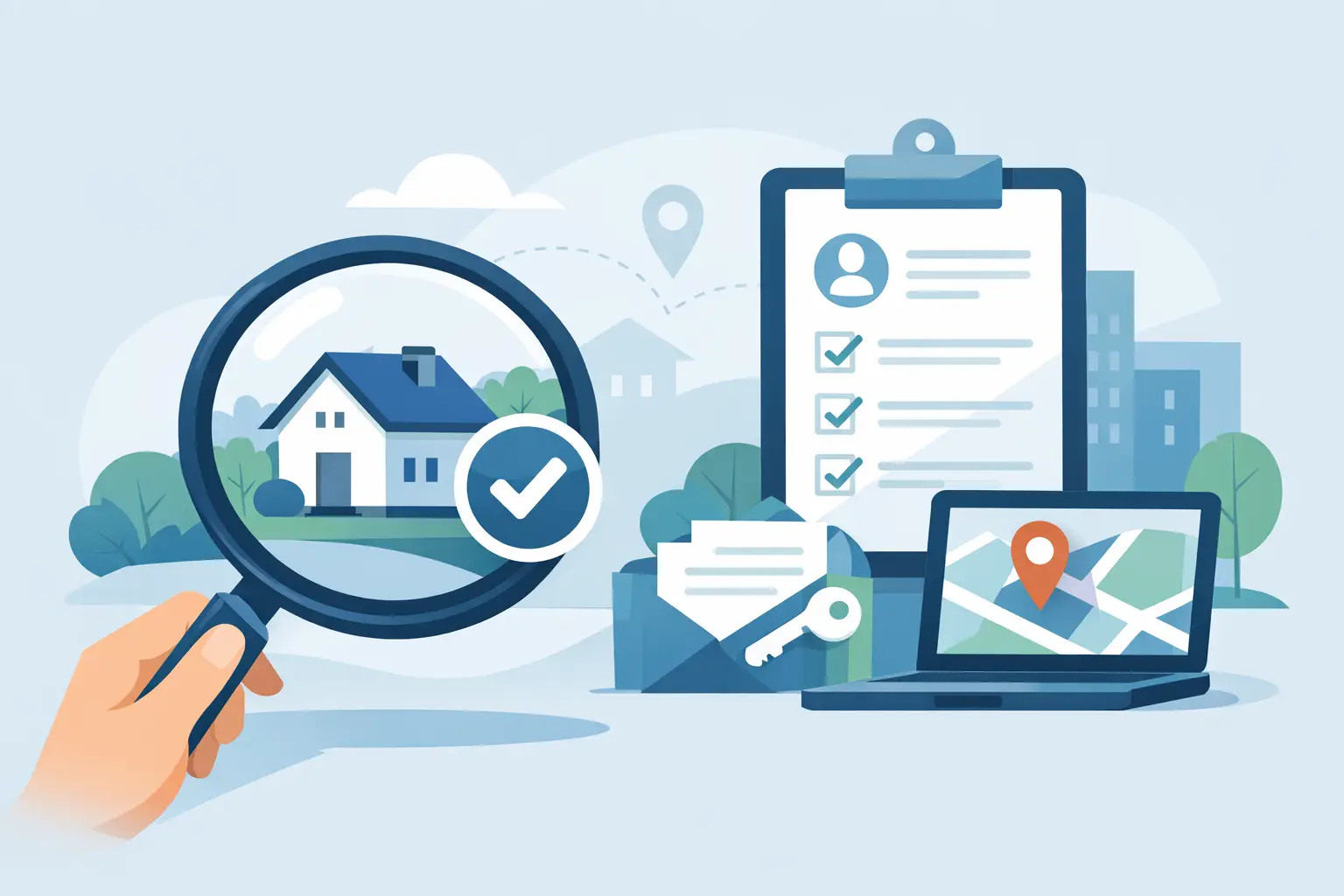
The fastest way to verify ownership is to start with the property address, then confirm it against public records. In most cases, you want more than one source. One record may be current but incomplete, while another may show the full legal owner name and vesting details.
Start with the county assessor or tax records
County assessor records are usually the easiest first check. Search by street address or parcel number if you have it. These records often show the assessed owner name, mailing address, parcel identification number, and basic property details.
This is a good starting point, not always the final answer. Assessor data can lag behind a recent transfer, and some counties display abbreviated owner names. If the property is held by a trust, partnership, or LLC, the assessor page may not tell you everything you need for formal lien-related paperwork.
Check the county recorder or clerk records
The recorder’s office is where deeds are filed, and deeds are usually the strongest public clue to current ownership. Look for the most recently recorded deed tied to that property. Review the grantee name carefully, because that is often the legal owner that should appear in your documentation.
Pay attention to how title is held. The record may show an individual, a married couple, a land trust, or a business entity. Small wording differences matter. If the deed says Maple Ridge Development LLC, do not shorten that to Maple Ridge or assume the owner is the person who signed your contract.
Match the legal description and parcel information
Addresses can be messy. Unit numbers are omitted, vacant land may not have a standard street address, and new construction sites may use temporary descriptions. That is why it helps to cross-check parcel numbers and legal descriptions when available.
If the deed, tax record, and job paperwork all point to the same parcel, you are in much better shape. If they do not match, stop and sort that out before moving forward. It may be a neighboring parcel, a multi-lot project, or a case where the mailing address is different from the actual property location.
Red flags that should make you double-check
Not every ownership search is clean. Some properties require extra attention because the obvious answer is not the full answer.
One common issue is tenant work. If you were hired for improvements inside a leased space, the tenant may be your customer, but the property owner may be someone else entirely. Another issue is LLC layering, where one company manages the project while another holds title. You may also see trusts, estates, or recently transferred property where the tax records have not caught up with the deed.
Foreclosure activity, inherited property, and newly developed subdivisions can create the same problem. If the ownership trail looks inconsistent, that is usually a sign to verify through recorded documents instead of relying on a single online record.
What documents help confirm ownership
The deed is usually the main document, but it is not the only useful one. Tax records can confirm the parcel and mailing address. A title report or property ownership report can pull together current vesting information more clearly than raw county searches. Permit records can also help show who pulled permits or who was listed as owner during the project, though permit data alone should not be treated as final proof of ownership.
For contractors working on tight deadlines, a legal property search can save a lot of back-and-forth. Instead of trying to piece together assessor records, recorder filings, and entity names on your own, having a focused property search done correctly can reduce filing risk and keep the job moving.
When a property search is better than doing it yourself
If the property is a straightforward single-family address and the county records are easy to access, a basic owner check may be enough. But there are situations where doing it yourself can cost more time than it saves.
That usually happens when the property is commercial, owned by an entity, recently sold, part of a larger development, or located in a county with hard-to-read online records. It also happens when you are already up against a notice or lien deadline. At that point, certainty is worth more than guesswork.
A contractor-friendly property search service is especially useful when you need the ownership information for document preparation, not just general background. The goal is not academic research. The goal is to get the right name and property details in place so your notice, lien, or release does not lose time to avoidable errors.
Common mistakes contractors make when verifying ownership
The biggest mistake is using the customer name as the owner name without checking public records. That works until it does not. The second is relying on one database and assuming it is current. The third is missing the full legal name of the owner, especially when the property is held in a trust or LLC.
Another common problem is treating the site address as enough. For lien-related paperwork, parcel details and legal descriptions can matter, particularly on vacant land, multi-building projects, or developments with similar addresses. Contractors also run into trouble when they wait too long to research ownership. If there is a deadline involved, last-minute corrections become expensive.
How this affects notices, waivers, and lien filings
Ownership verification shows up in more places than many contractors expect. Preliminary notices often require owner information. Lien claims need the property identified correctly. Waivers and releases may need to reference the right owner, project party, or legal property details depending on the form and state practice.
This does not mean every minor discrepancy will destroy your rights. But clean paperwork gives you leverage. It makes your position easier to understand and harder to challenge. When payment issues are already tense, clarity helps.
A practical standard to follow
If you need a usable rule, use this one: start with the address, confirm the parcel, check the most recent recorded deed, and compare that owner name against any tax or assessor record. If the names line up, you are probably on solid ground. If they do not, do not force it. Get a proper property search before filing anything time-sensitive.
That approach is especially useful for small contractors and subs who do not have in-house admin staff handling legal paperwork all day. You do not need to become a title expert. You just need a process that catches ownership issues before they affect payment protection.
For companies handling multiple projects at once, this is one of those back-office tasks that should be simple, fast, and repeatable. That is exactly why services like First Choice Lien are useful in the real world. They help take the friction out of document support and property research so contractors can stay focused on the work instead of chasing county records.
The best time to verify ownership is before there is a payment problem, but the second-best time is right now, before the next form goes out with the wrong name on it.