A completed project does not pay the supplier account, cover payroll, or keep the next job moving. When an owner, general contractor, or customer does not pay for labor or materials, mechanics liens can give contractors a legal claim against the property improved by their work. That claim can create real pressure to resolve a payment dispute, but only if the required notices, documents, and filing deadlines are handled correctly.
For contractors, the biggest mistake is waiting until an invoice is badly overdue before looking at lien rights. By then, a preliminary notice deadline may have passed, key job records may be hard to locate, and the paperwork becomes more difficult than it needs to be.
What Is a Mechanics Lien?
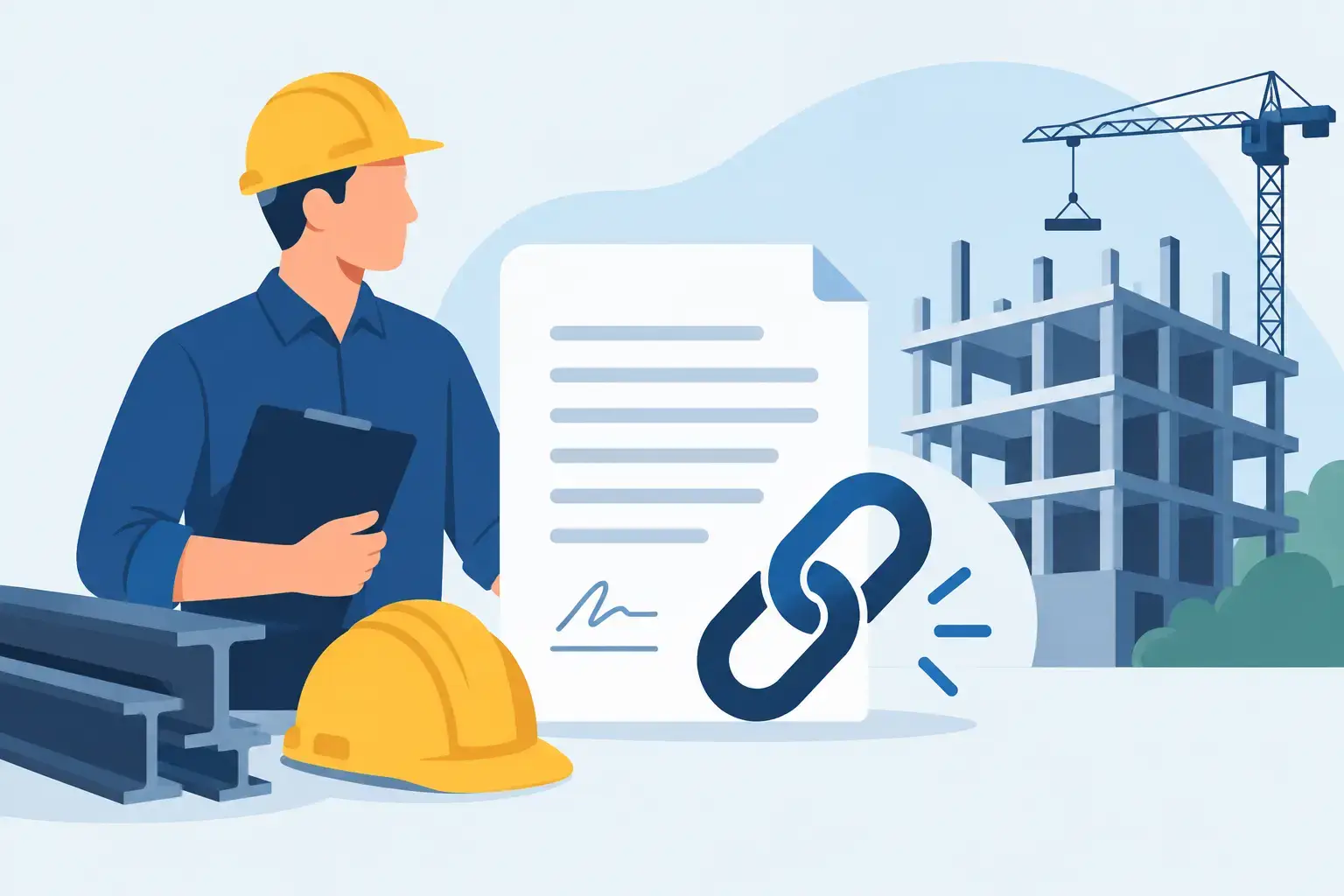
A mechanics lien, also called a construction lien or materialman’s lien in some states, is a statutory claim tied to real property. It may be available to contractors, subcontractors, laborers, suppliers, equipment providers, and certain design professionals who furnished work, services, or materials that improved a property and were not paid.
The lien does not automatically put money in your bank account. It preserves a potential claim against the property. If the debt remains unpaid, the claimant may have to take additional legal steps to enforce the lien. In many cases, however, a properly prepared and recorded lien gets the conversation moving. Owners often need clear title before they can sell, refinance, or close out a construction loan.
A lien is not a substitute for a clear contract, accurate invoicing, or good collection practices. It is a payment-protection tool with strict rules. Used early and correctly, it can give your unpaid invoice more leverage than repeated phone calls.
Why Timing Controls Mechanics Liens
Lien law is state-specific. The deadline to send a preliminary notice, serve a notice of intent, record a lien, or file an enforcement action can differ sharply based on the state, project type, your role on the job, and whether the property is private, commercial, residential, or public.
That means a form that worked on one project may not work on the next. A subcontractor in one state may need to give notice shortly after first furnishing labor or materials. A direct contractor may have different requirements. Public projects often involve payment bond claims rather than a mechanics lien against the property itself.
Do not rely on the date you sent your last invoice. Lien deadlines are often measured from dates such as your first work, last furnishing of labor or materials, project completion, acceptance, or cessation of work. Returning to the site for minor punch-list work may not extend a deadline. Neither will adding work solely to revive lien rights.
The practical rule is simple: identify the job, the property, and your deadline as soon as payment becomes a concern. Waiting for a customer to “get back to you next week” can cost more than time.
Start With the Right Project Information
A lien document is only as reliable as the information behind it. Before preparing paperwork, gather the records that show what you provided, who hired you, where the work happened, and what remains due.
For most projects, keep these items together from the start:
- Your signed contract, change orders, proposals, and approved scope of work
- Invoices, account statements, payment records, and a clear unpaid balance
- Job-site address, legal property description when required, and owner information
- Dates of first and last labor, service, equipment, or material furnished
- Delivery tickets, photos, emails, text messages, and proof of any required notices
The street address alone is not always enough. Some states require a legal description, parcel information, or the correct legal owner name. A property may be held by an LLC, trust, partnership, or entity that does not match the name used during the sales process. Property research can help confirm the information before a document is prepared for filing.
Accuracy matters just as much as speed. An inflated claim, the wrong property, an incorrect owner, or a missing verification can create problems that are harder to fix after a deadline has passed.
The Typical Lien Process
The exact sequence depends on state law, but the process usually follows a predictable path. First, determine whether a preliminary notice or other early notice is required. If it is, send it using the required method and keep proof of service.
Next, continue documenting the work and payment status. If payment is not made, some states require a notice of intent to lien before recording. Even where it is not required, a firm written demand supported by accurate documentation can sometimes resolve the issue without further filing.
If the balance remains unpaid, prepare and record the lien in the county or jurisdiction where the property is located before the statutory deadline. Recording is a formal step. It generally involves a state-specific document, required signatures or notarization where applicable, county fees, and compliance with local recording standards.
Finally, serve any required copies after recording and calendar the enforcement deadline. A recorded lien does not last forever. In many states, the claimant must begin a lawsuit to enforce the lien within a set period or risk losing the claim. This is where contractors should be especially careful. Document preparation support can reduce administrative friction, but legal advice and litigation strategy should come from a qualified construction attorney.
Common Errors That Weaken a Payment Claim
Most lien problems are avoidable. They usually start with an assumption that the process is the same everywhere or that a customer promise is enough reason to delay.
One common problem is using the wrong form. State requirements can vary in language, notice recipients, signature requirements, and timelines. Another is naming the wrong party. The party that hired you may not be the property owner, and both may need to be identified correctly depending on the document.
Contractors also run into trouble when they claim more than the amount actually due under the contract, fail to document credits and payments, or record against a public project that is governed by bond claim procedures. A final issue is treating recording as the finish line. If enforcement deadlines are missed, the recorded claim may expire even though the underlying invoice is still unpaid.
These details are why organized paperwork is not busywork. It is part of protecting cash flow.
When a Lien May Not Be the Best First Move
A mechanics lien can be effective, but it is not always the first or only answer. If there is a straightforward billing dispute, a documented change-order disagreement, or a customer who needs a short payment plan, a direct written demand may solve the issue faster and preserve a working relationship.
For smaller balances, consider the cost of additional collection steps against the amount at stake. For larger balances, complex projects, bankruptcy concerns, disputed workmanship allegations, or a looming enforcement deadline, getting legal guidance early may be the more economical decision.
It also depends on the project. Work on tenant improvements, condominiums, leased property, public jobs, and owner-occupied residential projects can involve added layers of rules. There is no one-size-fits-all filing strategy, which is why contractors should verify the requirements for the specific state and job before acting.
Keep Lien Rights From Becoming a Last-Minute Crisis
The best time to organize lien information is when the contract is signed, not when the payment dispute explodes. Build a simple job file for every project and record first-furnishing dates, notices sent, change orders, invoices, payments, and final work dates as the job moves forward.
If paperwork is pulling you away from crews, estimates, and active projects, administrative support can be a practical investment. First Choice Lien helps contractors simplify lien-related document preparation, property research, and notarized final release lien waiver needs with clear pricing and fast service. That support does not replace legal counsel, but it can help keep documentation organized and deadlines visible.
Payment problems are stressful because they put work already completed at risk. Treat lien rights the same way you treat safety, scheduling, and material ordering: plan early, keep records clean, and act before the deadline becomes the problem.