A customer can promise payment on Friday, then stop answering calls the following week. When that happens, payment compliance is not office busywork. It is the paperwork, timing, and recordkeeping that helps protect your right to pursue payment before a problem becomes harder and more expensive to fix.
For contractors, subcontractors, suppliers, and other construction professionals, compliance means following the rules tied to the job, the contract, and the state where the work took place. Those rules can affect preliminary notices, lien deadlines, waivers, invoices, releases, and the proof you need if payment is disputed. A strong process does not guarantee payment. It does put you in a far better position when someone delays, short-pays, or refuses to pay.
What Payment Compliance Means on a Construction Job
Payment compliance is the practical discipline of keeping payment-related documents accurate, complete, and on time. In construction, it usually starts before the first invoice is sent. The information collected at the beginning of a project often determines whether you can send required notices, identify the correct owner, and preserve lien rights later.
Every state has its own construction lien rules. Some projects require notices early in the job. Others have strict deadlines after work is completed, materials are delivered, or the claimant last provided labor or materials. Public projects can follow a different path than private projects, often involving payment bond claims rather than a mechanics lien.
That means there is no single form or deadline that works nationwide. The right paperwork depends on the project type, your role, the property location, and the contract terms. Treating a lien form from another state as a shortcut can create a costly mistake.
Why Small Errors Create Big Payment Problems
Most payment disputes do not begin with a dramatic confrontation. They begin with a missing detail: an incomplete property address, the wrong legal owner, an unclear scope of work, an unsigned change order, or an invoice that does not match the agreed payment schedule.
Those details matter because construction payment rights are deadline-driven. If a required notice is late, a lien claim may be weakened or unavailable. If a lien waiver is signed too broadly, you may give up rights beyond the amount you actually received. If the legal description or ownership information is incorrect, filing may be rejected or may fail to provide the protection you expected.
The trade-off is simple. A little more administration upfront takes time, but trying to reconstruct the job file after payment goes bad takes much more. It can also leave you with fewer options.
Start With a Clean Project File
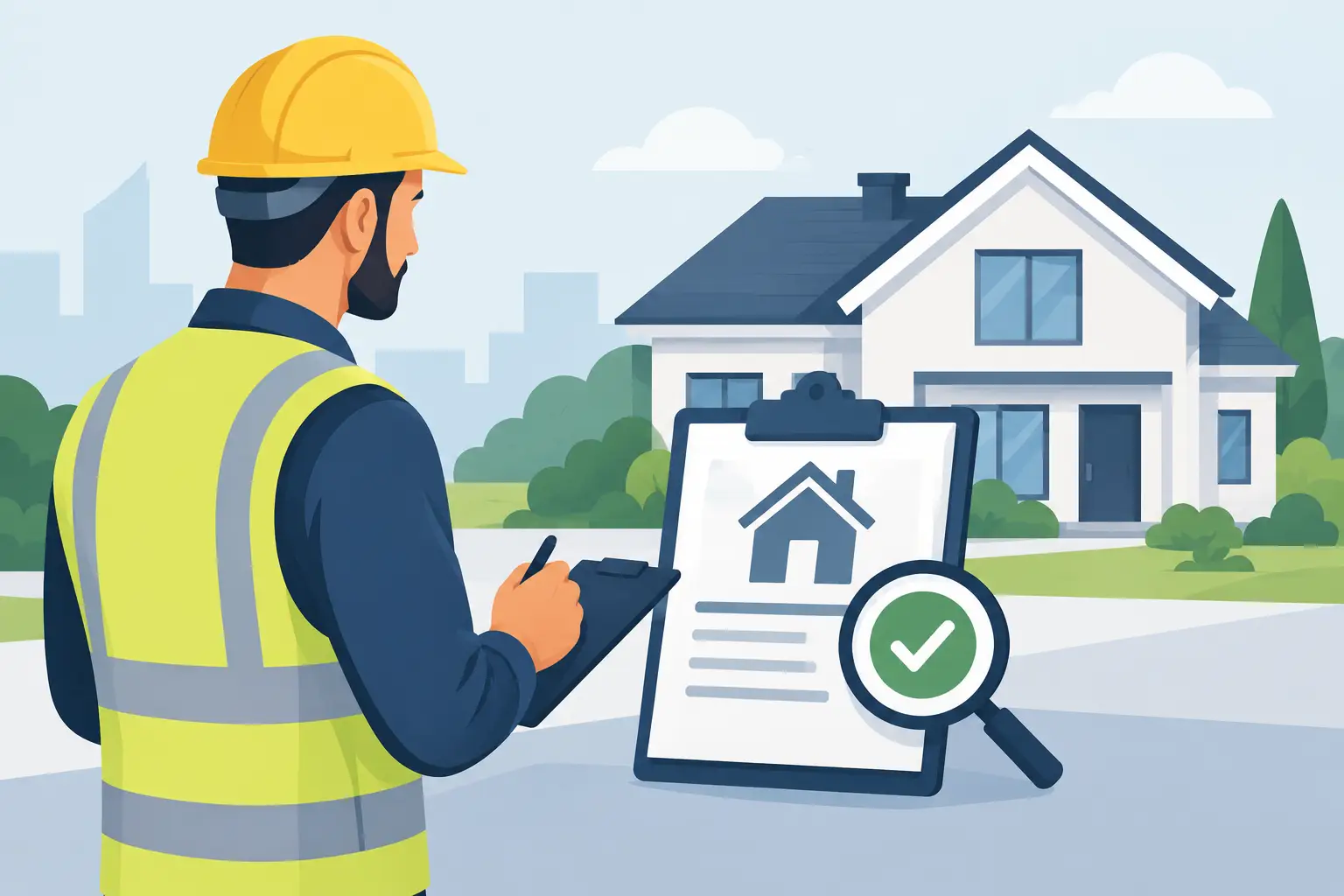
Payment compliance is easier when every job begins with the same intake process. Before you mobilize, confirm who hired you, who owns the property, where the work is being performed, and whether the project is private, public, commercial, or residential.
Keep the signed contract, scope of work, proposal, approved change orders, and payment schedule together. Save communications that affect price, timing, or scope. If a customer approves extra work by text or email, preserve that approval. Field photos, delivery tickets, daily reports, and signed work authorizations can also help show what was furnished and when.
For larger or higher-risk jobs, verify the ownership and property details instead of relying only on what appears in a work order. The party you deal with is not always the legal property owner. Getting that distinction right can matter if you need to prepare a lien-related document later.
Use Notices and Deadlines as a Working System
A deadline should never live only in someone’s memory. Set up a calendar process as soon as the project is opened. Use the dates that trigger your next action, not just the final filing deadline. This gives your team room to gather documents, correct errors, and decide whether escalation is necessary.
Track the contract date, first date of work, last date of work, invoice dates, due dates, notice deadlines, and any lien or bond claim deadlines that may apply. Update the file when the project changes. A return visit, added scope, or partial payment can affect how you evaluate timing, but do not assume it automatically extends every deadline. State rules can be technical.
If you work across state lines, separate your procedures by state. A process that is routine in Illinois may not meet requirements in another jurisdiction. The same is true when moving between private and public work.
Do Not Wait for the Account to Become Uncollectible
Contractors often wait because they want to preserve the customer relationship. That is understandable. But a polite payment follow-up and deadline protection are not opposites. You can continue working toward a business resolution while still taking timely steps to preserve your rights.
A clear internal policy helps. For example, when an invoice reaches a set number of days past due, review the account, confirm the job file is complete, and determine the next required notice or document. This keeps decisions from being driven by frustration or last-minute panic.
Handle Lien Waivers With Care
Lien waivers are common in construction, especially when payment applications and progress payments are involved. They can be useful because they document that a specific amount has been paid and help move money through the project. They can also create risk if the waiver does not match the payment.
Before signing, check whether the waiver is conditional or unconditional. A conditional waiver generally becomes effective when payment clears, while an unconditional waiver may take effect when signed, depending on the document and applicable law. Read the payment amount, through date, project name, and language describing what rights are being released.
Do not sign away rights for unpaid change orders, retainage, disputed extras, or future work by accident. If the amount received does not match the waiver, stop and correct the document before signing. The same caution applies when you request waivers from subcontractors and suppliers. Their paperwork should align with the payment being issued and the work covered.
Build Invoice Records That Can Stand Up to Questions
An invoice should make payment easy to approve. List the project, customer, invoice number, dates, work performed or materials supplied, prior billing, current amount due, retainage if applicable, and payment terms. If the job requires a schedule of values or supporting documentation, submit it in the requested format.
Send invoices consistently and keep proof of delivery. If an invoice is disputed, document the reason given, who raised it, and what you did to resolve it. A short written record is better than relying on a phone call you may not remember clearly two months later.
It also helps to reconcile payments quickly. Apply each payment to the correct invoice and note whether it was partial, final, or tied to a particular draw. When money arrives without clear instructions, ask for clarification rather than making assumptions that could complicate a waiver or a later collection effort.
When Outside Document Support Makes Sense
Not every contractor needs to outsource paperwork on every project. For repeat customers and small, low-risk jobs, an organized internal process may be enough. But outside support can make sense when deadlines are close, ownership information is unclear, your office is overloaded, or a document must be prepared correctly without pulling you away from active work.
First Choice Lien helps contractors reduce the administrative burden of lien-related paperwork, property research, and notarized final release lien waivers. The goal is practical: get the documents and information you need without turning payment protection into another full-time job. Document preparation support is not a substitute for legal advice, particularly when a dispute is complex or litigation is possible.
Make Compliance Part of Cash Flow Protection
The best payment process is not complicated. It is consistent. Open every project with complete information, document changes as they happen, calendar deadlines early, review waivers before signing, and act before an overdue invoice turns into a serious collection problem.
Your crew should be focused on completing good work, not chasing missing paperwork after the fact. A disciplined payment compliance process gives you a clearer record, stronger options, and more control when the customer who promised to pay does not follow through.