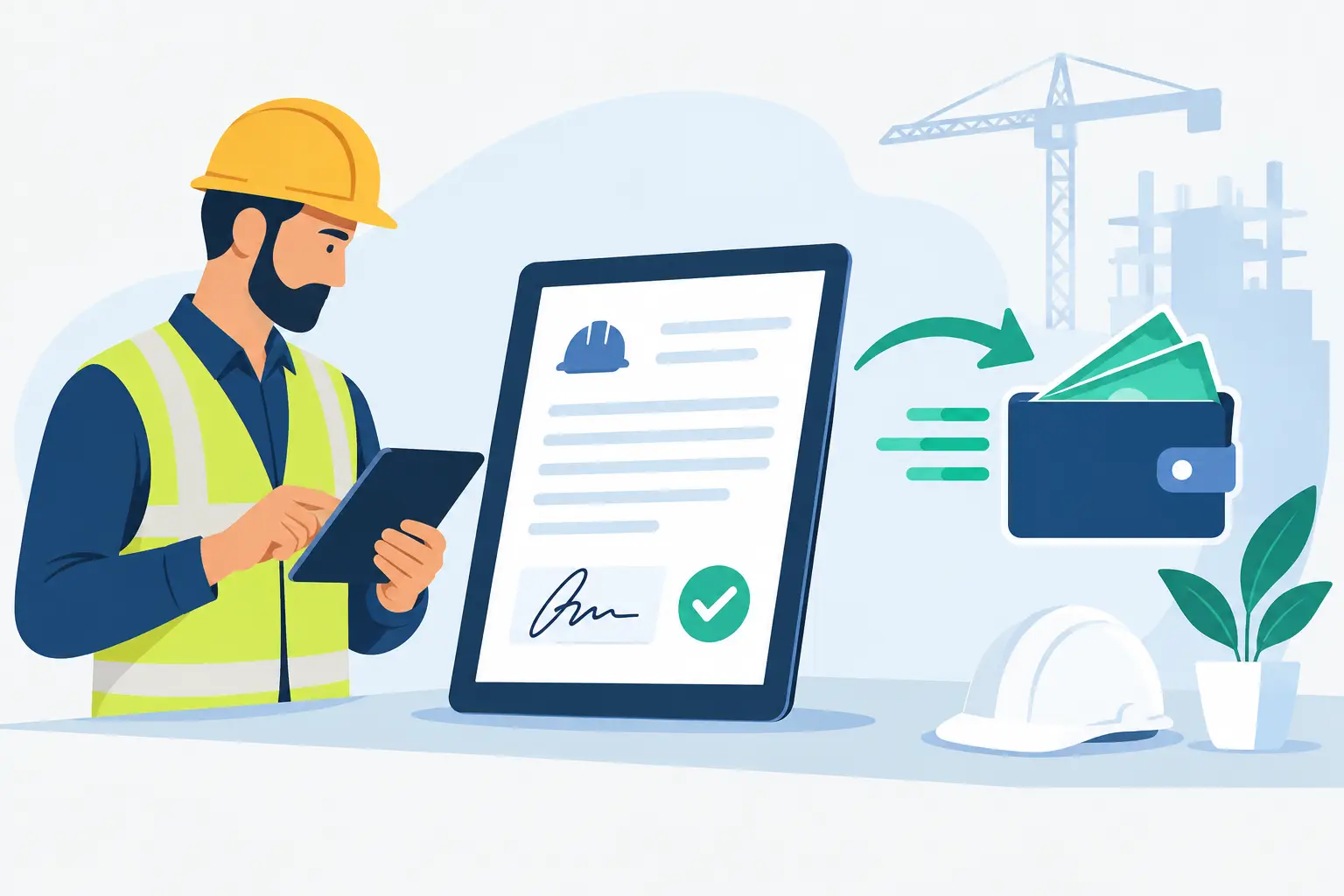
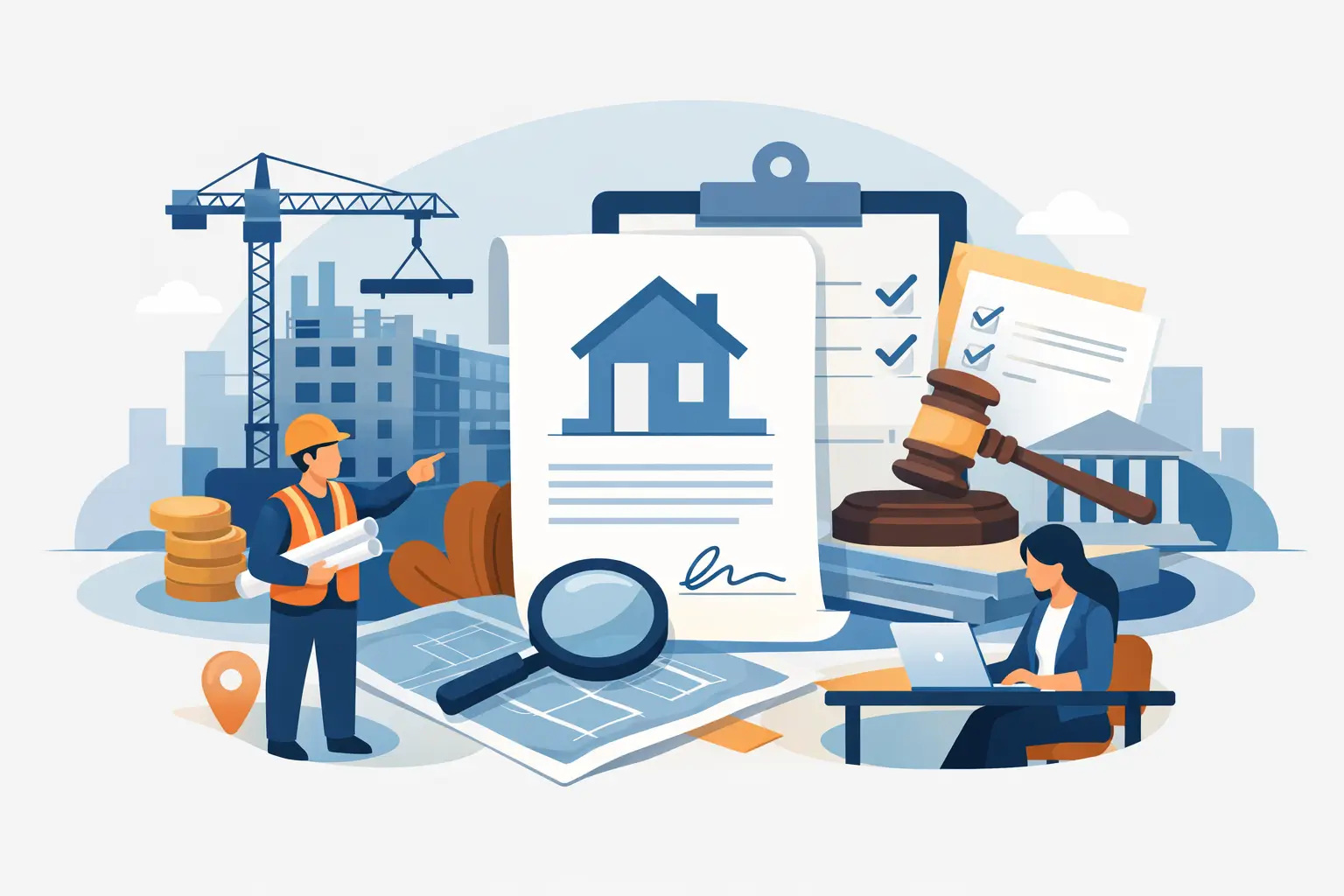
When a job is finished but the check still has not shown up, the paperwork starts to matter as much as the work. A mechanics lien filing service exists for exactly that moment – when you need to protect your payment rights without losing more time chasing forms, deadlines, and county requirements.
For many contractors, subs, and suppliers, the problem is not knowing that liens matter. The problem is getting the process done correctly while running crews, managing schedules, and trying to keep cash flow steady. Miss a notice deadline, use the wrong property information, or prepare incomplete documents, and the leverage a lien gives you can weaken fast. That is why many construction businesses look for practical filing support instead of trying to piece everything together on their own.
What a mechanics lien filing service actually does
A mechanics lien filing service helps with the administrative side of lien compliance. That usually means preparing lien-related documents, confirming property details, organizing required information, and helping clients move quickly before deadlines pass.
This kind of service is not the same as hiring a law firm to give legal advice or handle a dispute from start to finish. The value is operational. If you already know you need to preserve payment rights, a service can reduce the clerical burden and lower the chance of avoidable paperwork mistakes.
In practical terms, that may include preparing a mechanics lien claim, assisting with property legal descriptions, providing required forms, handling notarization when needed, and giving you a cleaner path to recording the document. Some companies also help with lien waivers and releases, which often come into play once payment is resolved.
Why contractors use a mechanics lien filing service
Most contractors do not struggle with construction. They struggle with everything that comes after a payment delay. Lien paperwork is time-sensitive, state-specific, and easy to get wrong if you only deal with it occasionally.
The biggest reason people use a mechanics lien filing service is speed. A delayed payment issue can turn urgent fast, especially if you are close to a filing deadline. If your office is already stretched thin, losing another day to research and document prep can cost more than the service fee.
The second reason is accuracy. Details like the correct property owner name, legal description, hiring party, work dates, and unpaid balance are not small items. If any of that is incomplete or incorrect, it can create problems later.
The third reason is focus. Most small and midsize construction businesses do not have an in-house admin team built for lien compliance. Outsourcing the documentation side lets you stay focused on bids, field work, scheduling, and getting paid on the next job.
Where filing services help most
A good service is most valuable when the process feels bigger than the time you have available. That usually happens in a few common situations.
One is when you are filing in a hurry and do not want to guess your way through required information. Another is when the property details are unclear, especially on commercial jobs or multi-party projects. A third is when you are dealing with an owner, general contractor, or payment chain that has gone quiet and you need to act before your lien rights expire.
It can also help when your company does not file liens often. If this is something you do once every year or two, there is a good chance the forms, notice rules, or county procedures are not top of mind. That is where administrative support saves real time.
What a filing service does not solve
It helps to be realistic here. A mechanics lien filing service can make the process easier, faster, and more organized, but it is not a magic fix for every payment dispute.
It does not guarantee recovery. A lien can create pressure and preserve rights, but whether it leads to payment depends on the project, the parties involved, the timing, and sometimes the next legal step. It also does not erase state-specific legal requirements. You still need accurate project information, and you still need to understand that deadlines matter.
This is also why service scope matters. Some providers prepare documents but do not record them for you unless separate help is arranged. Others may handle more of the process. Before ordering, make sure you know what is included, what turnaround time to expect, and what part remains your responsibility.
How to judge a mechanics lien filing service
Not every service is built for contractors who need fast, practical support. Some are too vague about pricing. Others bury the turnaround or make you fill out complicated intake forms that defeat the whole point of outsourcing.
Look for clear pricing first. If a company cannot tell you what document preparation or property research costs upfront, that creates friction you do not need.
Next, look at turnaround time. If you are close to a deadline, speed matters as much as price. A service that can respond within a couple of business days is usually more useful than one that leaves you waiting for a callback while your filing window shrinks.
You should also look for plain-language communication. Contractors do not need legal theater. They need someone who can tell them what information is needed, what happens next, and where the limits of the service are.
Finally, look at whether the service offers related support. If you may also need a release, waiver, or property search, it is easier to work with one provider that can handle those pieces cleanly.
The trade-off between doing it yourself and outsourcing
There is a reason some contractors still file on their own. If you know the process well, have reliable staff, and file often in the same jurisdiction, doing it yourself may save some money.
But that only works when your internal process is already solid. If your office has to stop and research forms, verify owner information, find notarization, or figure out recording steps each time, the savings shrink fast. The cost of a mistake or a missed deadline is usually higher than the cost of administrative help.
Outsourcing makes the most sense when time is tight, staff is limited, or the payment amount at stake is large enough that you do not want to risk procedural errors. For many contractors, that is not a legal decision as much as an operational one.
Why Illinois contractors need to pay close attention
Illinois contractors, subcontractors, and suppliers often deal with strict timing, notice requirements, and documentation details that can quickly become a problem if handled casually. On top of that, county recording practices and property information issues can slow things down if you are trying to assemble everything yourself at the last minute.
That is one reason a contractor-focused company like First Choice Lien can be useful. The goal is not to overwhelm you with legal language. It is to help you move faster, prepare the right documents, and avoid wasting time on avoidable admin work when payment is already late.
What to have ready before you order
The smoother your information, the smoother the process. In most cases, you should be ready to provide the property address, the name of the owner if known, the party that hired you, the contract or agreement amount, the amount still unpaid, and the dates tied to your labor or materials.
If you have invoices, signed agreements, change orders, prior notices, or project correspondence, keep those close too. A filing service may not need every document upfront, but having them available can speed up preparation and reduce back-and-forth.
Accuracy matters here. If you are unsure about key details, say so early. It is better to flag uncertainty than to force incomplete information into a lien document and hope it works out later.
The real value is momentum
When payment drags out, delay becomes part of the problem. The longer a contractor waits, the more likely deadlines get tight, records get messy, and leverage slips away. A mechanics lien filing service is valuable because it creates momentum at the point where many businesses stall.
That does not mean every unpaid invoice should turn into a lien filing. Sometimes a direct follow-up, a release condition, or a notice is enough to get the job moving again. But when the situation calls for action, fast and organized beats stressed and improvised every time.
If you are already carrying the weight of the project, the admin side should not be the part that slows you down. Protecting your right to get paid should feel clear, manageable, and timely – especially when cash flow is on the line.
The best time to get lien paperwork moving is usually before the deadline feels close.