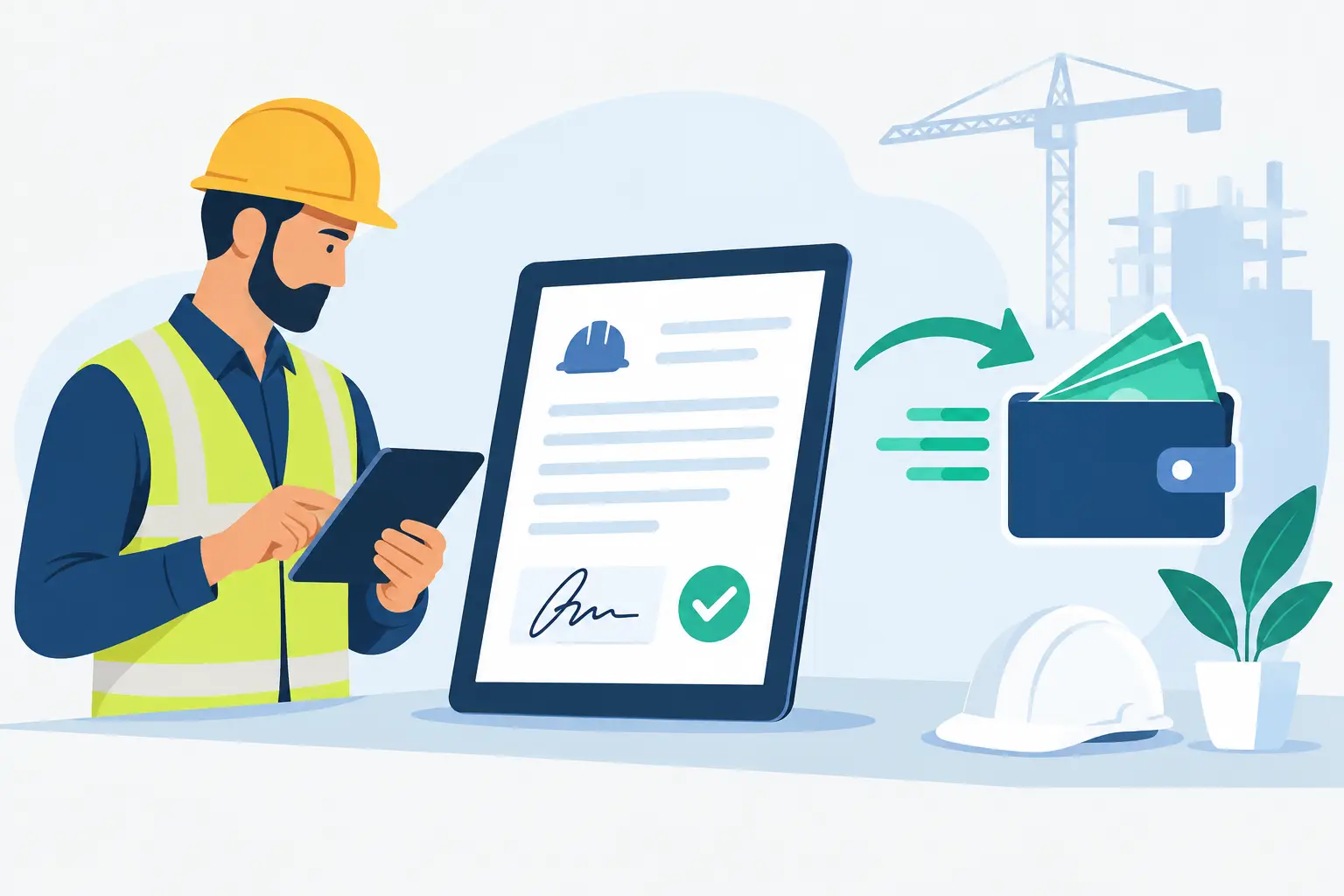
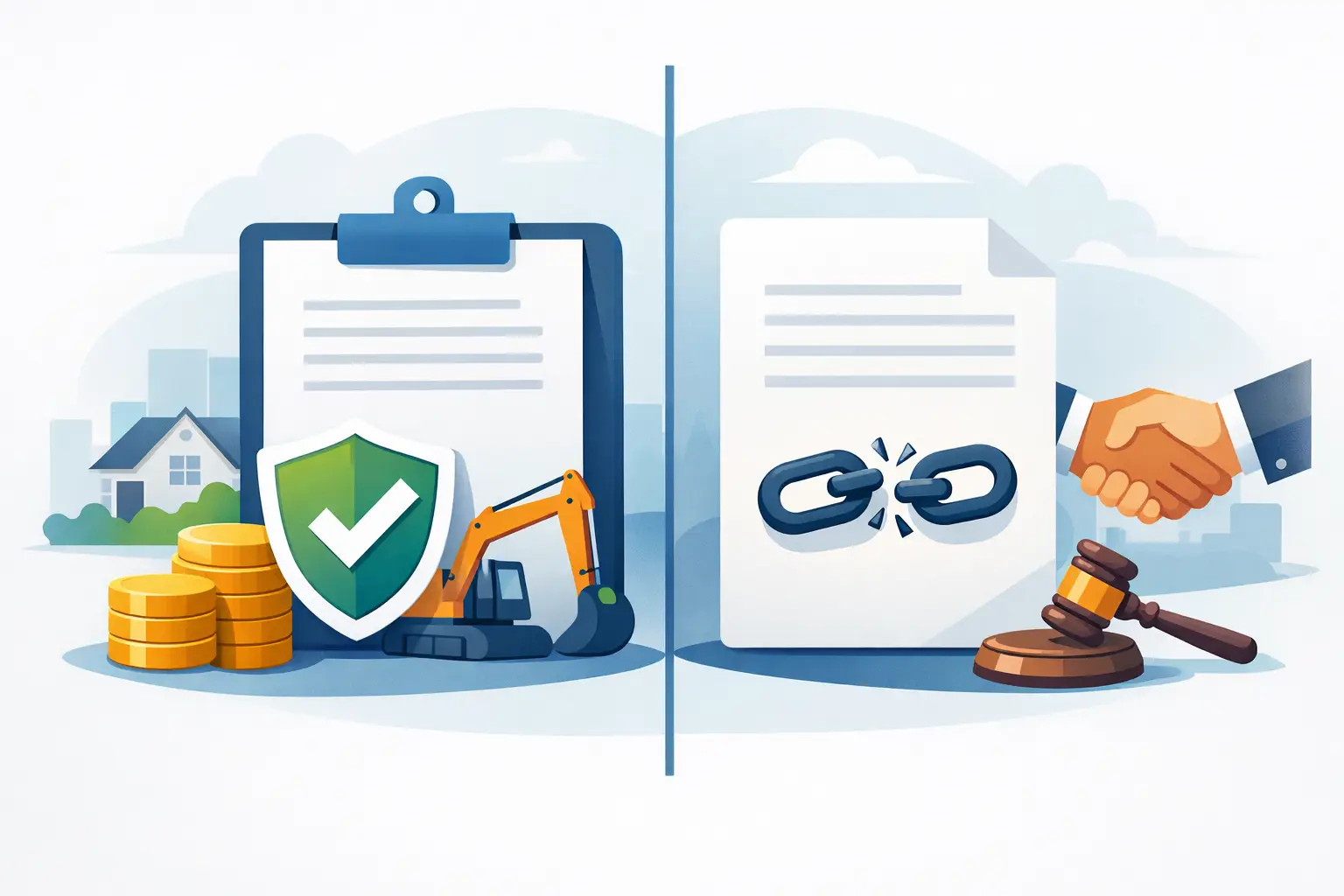
A contractor gets paid, a form lands in the inbox, and now the question is whether signing it protects the deal or gives away leverage too early. That is where lien waiver vs release becomes a real jobsite issue, not just a paperwork question. If you use the wrong document or sign it at the wrong time, you can create payment problems that are hard to fix later.
For contractors, subs, and suppliers, the difference matters because these forms affect your right to claim or clear a mechanic’s lien. They may look similar. They are not always used consistently. And in some states, people use the words loosely, which adds even more confusion. The safest move is to understand what each document is meant to do before you sign, send, or request one.
Lien waiver vs release: the basic difference
A lien waiver is generally signed before or at the time payment is made. It says you are giving up some or all of your right to file a lien for the amount covered by that payment. In plain terms, it waives future lien rights tied to that invoice, progress payment, or final payment.
A lien release is usually used after a lien has already been recorded. It removes that lien from the property record once payment or settlement has been resolved. In other words, a waiver prevents a lien claim for certain amounts, while a release clears a lien that already exists.
That distinction sounds simple, but real projects are rarely that neat. Some companies label documents poorly. Some owners ask for a “release” when they actually want a waiver. Some contractors sign broad final forms when they are only receiving a partial payment. The name on the document matters less than the legal effect of the language.
Why the difference matters on real jobs
Construction payment moves in stages. Deposits, draws, retainage, change orders, and final balances do not always line up cleanly. If you sign a waiver that covers more than the money you actually received, you may lose lien rights for unpaid work. If a lien has already been filed and the owner is waiting for it to be cleared, sending a waiver instead of a release will not solve the title problem.
This is why contractors need to treat these forms as payment-control documents, not routine admin work. The wrong form can delay closing, strain the customer relationship, or weaken your collection position. The right form helps keep money moving while protecting your rights.
What a lien waiver usually covers
Most lien waivers are tied to a payment event. That might be a progress payment during the job or a final payment at the end. The form should clearly state whether it is partial or final, and whether it is conditional or unconditional.
A conditional waiver means the waiver only becomes effective when payment actually clears. That gives contractors more protection if a check bounces or a transfer gets delayed. An unconditional waiver takes effect regardless of whether funds fully clear, which is riskier if you are signing before you confirm the money is in hand.
Partial waivers cover a specific amount or payment period. Final waivers are broader and typically state that all lien rights are waived for the project. Final forms deserve extra attention because they can wipe out leverage on retainage, approved change orders, or disputed balances if the wording is too broad.
What a lien release usually does
A lien release comes into play after a mechanic’s lien has already been filed or recorded. Once payment is resolved, the party who filed the lien signs the release so the lien can be removed from the property record. Owners, lenders, and title companies often need this quickly because an open lien can block refinancing, sale, or closeout.
In practical terms, a release is about clearing the record. It tells the world that the recorded claim is no longer being asserted. If you have not filed a lien, a release may not be the right document at all.
Common mistakes contractors make
The most common mistake is assuming the title tells the whole story. It does not. A document called “final release” may actually contain waiver language that gives up more rights than expected. A form called “waiver” may include broad statements about all claims, not just lien rights.
Another common issue is signing before payment is secure. If the form is unconditional and the funds have not cleared, you may be taking on unnecessary risk. That is especially true on tight-margin jobs where one missed payment can create a cash flow problem across multiple projects.
Contractors also run into trouble with scope. Maybe the payment covers base contract work, but not pending change orders. Maybe retainage is still outstanding. Maybe there is a billing dispute on stored materials. If the form uses broad language like “paid in full for all labor and materials,” it may reach farther than the actual payment.
Then there is timing. If you already filed a lien, a waiver does not necessarily remove it. A separate release may still be required. That detail matters when an owner says payment is ready but needs the lien cleared first.
How to review the form before you sign
Start with the payment amount. Make sure the dollar amount on the document matches what you are actually receiving. If it is a partial payment, the form should say so clearly.
Next, check whether the document is conditional or unconditional. If payment has not cleared yet, conditional language is usually the safer route. Then look at the project details, customer name, and property information. Small errors can create confusion later, especially if there are multiple jobs for the same customer.
After that, read for scope. Does the form waive rights only through a certain date, or does it waive everything connected to the project? Does it mention extras, delays, claims, or retainage? Those details matter because some forms reach beyond lien rights and affect broader payment claims.
If a lien has already been filed, confirm whether the document actually releases the recorded lien. If the owner or title company needs the lien cleared, you want to be sure you are providing the right paperwork for that specific purpose.
When it depends on state law and project practice
Lien forms are not handled the same way in every state. Some states have statutory forms or strict rules on wording and timing. Others allow more flexibility. That means a form that works in one state may not be the right fit somewhere else.
Project practice also varies. On private work, owners and general contractors may use their own standard forms. On larger jobs, lenders and title companies may have document requirements tied to draws and project closeout. The practical takeaway is simple: do not assume every waiver or release works the same across projects just because the label looks familiar.
For contractors working across multiple states, consistency in your internal process matters even more. Review the form, match it to the payment event, and make sure it reflects the actual status of the lien rights or recorded lien.
Lien waiver vs release in a payment dispute
When payment is late or disputed, the choice between a waiver and a release becomes even more sensitive. If money is promised but not delivered, signing broad waiver language can weaken your leverage. If a lien has already been filed and settlement is finally on the table, the release should be timed carefully so it matches confirmed payment terms.
This is where speed and document accuracy help. Contractors often are not trying to create conflict. They are trying to close out paperwork without giving up protection. A clean, correctly prepared form keeps the job moving and reduces back-and-forth when everyone is already frustrated.
That is one reason many contractors use document support instead of handling every lien form from scratch. A service like First Choice Lien can help reduce the admin burden, especially when turnaround time matters and the form needs to match the situation.
The practical rule contractors should follow
If no lien has been filed yet, you are usually dealing with a waiver. If a lien has already been filed, you are usually dealing with a release. That rule is not perfect, but it is a strong starting point.
From there, focus on three things: what payment is being made, whether the payment is actually in hand, and whether a recorded lien still needs to be cleared. Those answers usually tell you what kind of document should be used and when.
Paperwork should support your cash flow, not create a new problem. If the language is unclear, the amount is wrong, or the form seems broader than the payment justifies, stop and review it before signing. A few extra minutes on the front end can save a costly mistake after the check is deposited and your leverage is gone.
The best lien document is the one that matches the real status of the job, the payment, and your rights. When those three line up, the paperwork does what it should – clear, simple, and without surprises.