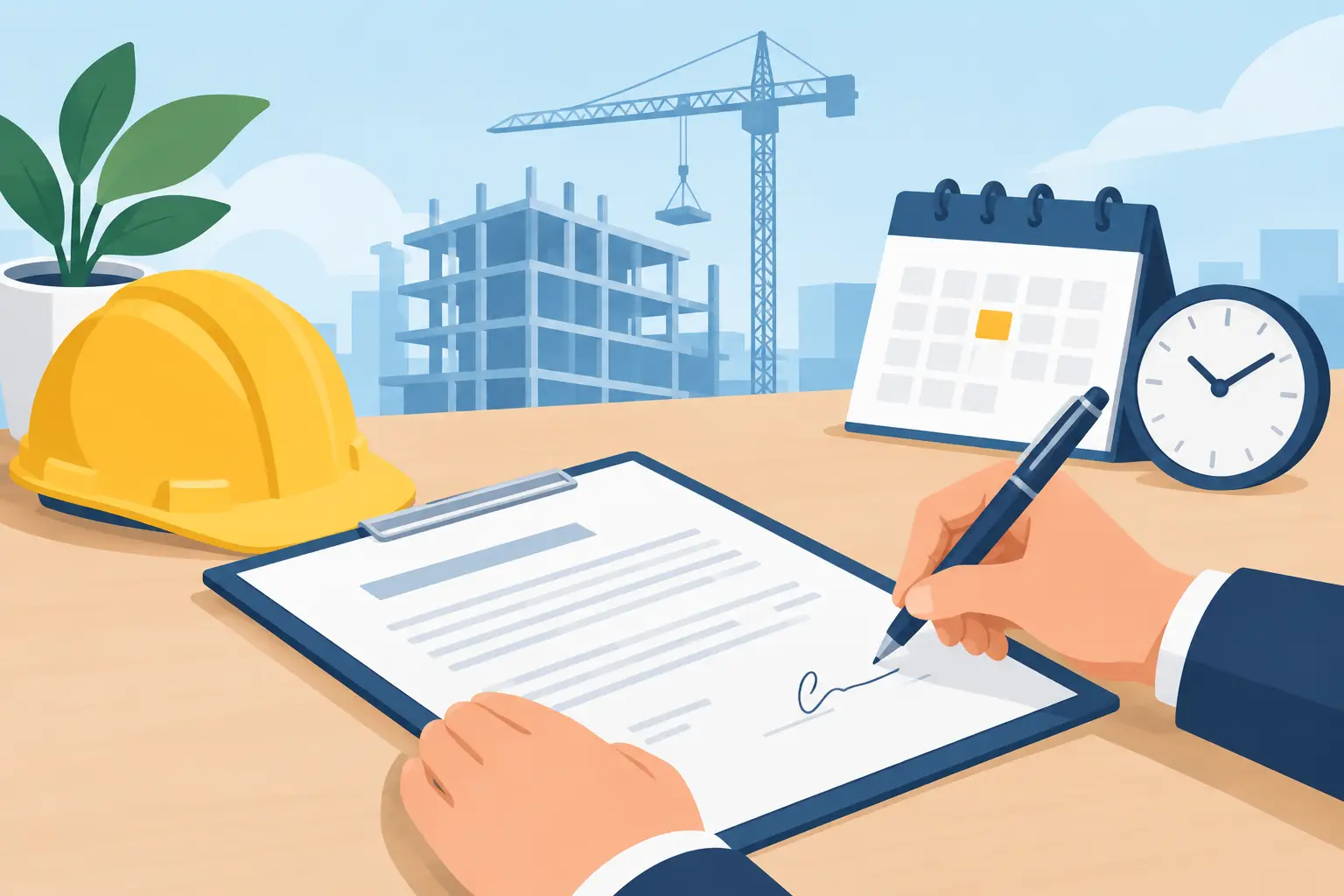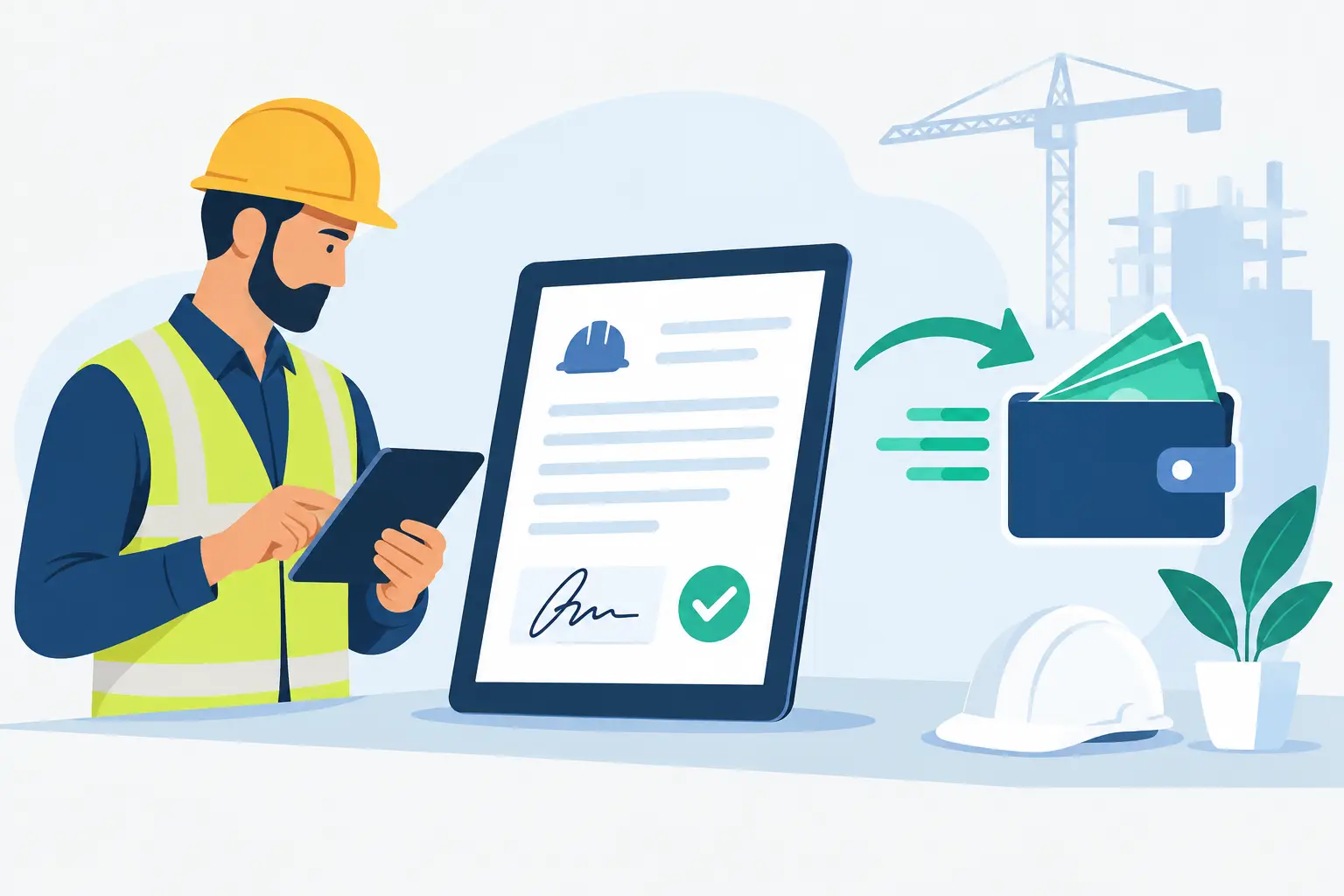

A customer says the check is coming, then stops answering calls. Meanwhile, payroll is due, suppliers want to be paid, and you are stuck deciding whether to file a lien, sue, or do both. That is where the lien claim vs lawsuit question becomes more than legal theory. For contractors, it is a cash flow decision with deadlines attached.
The short answer is this: a lien claim and a lawsuit are not the same thing, and one does not automatically replace the other. A lien claim is usually a way to secure your right to payment against the property. A lawsuit is a court action to recover money or enforce a right. Depending on the job, the contract, the state, and the timing, you may need one, the other, or both.
Lien claim vs lawsuit: the core difference
A construction lien claim is tied to the property you improved. If you provided labor, materials, or services that increased the value of the property, a lien may give you leverage by attaching a claim to that real estate. That matters because owners, lenders, and title companies usually do not like unresolved liens hanging over a project.
A lawsuit is broader. You are asking a court to decide a dispute and award a remedy, usually money damages. You might sue for breach of contract, unpaid invoices, change order disputes, delay damages, or other issues that go beyond the narrow purpose of a lien.
In plain terms, a lien claim is often a pressure tool and a payment security device. A lawsuit is a formal collection and dispute process. One puts pressure on the property. The other puts the dispute in front of a judge.
That distinction is why contractors should not treat them as interchangeable. Filing the wrong document, or waiting too long to file the right one, can weaken your position fast.
When a lien claim makes more sense
If your main problem is simple nonpayment for work already performed, a lien claim is often the first move worth considering. It can be faster and more practical than jumping straight into litigation, especially when the amount owed is clear and the job qualifies under your state’s lien laws.
A lien can be especially useful when the property owner wants to sell, refinance, close out the project, or avoid title issues. In those situations, a properly prepared lien may get attention much faster than another demand email.
For subcontractors and suppliers, a lien is also important because you may not have a direct contract with the owner. Suing the party that hired you may still be possible, but the lien gives you another path to protect payment rights tied to the project itself.
That said, liens are deadline-driven and technical. Notice requirements, form language, service rules, and recording timelines vary by state. Miss a step, and the lien may lose value or become unenforceable.
When a lawsuit makes more sense
A lawsuit may be the better path when the dispute is not just about unpaid work. Maybe the other side claims defective performance. Maybe there is a fight over scope, back charges, retainage, delays, or contract interpretation. A lien does not resolve all of that by itself.
A lawsuit can also make more sense when there is no lien right available. Some project types, public jobs, tenant improvements, licensing issues, or contract problems may limit or block lien remedies. In those cases, your collection option may depend more heavily on contract enforcement, bond claims, or other legal action.
There is also a practical point. A lien does not put money in your bank account by magic. It creates leverage, but if the debt still is not resolved, enforcement may require a foreclosure action or related court process. At that stage, you are effectively moving into lawsuit territory anyway.
Why contractors often need both
The real answer to lien claim vs lawsuit is often not either-or. It is sequence.
Many contractors file a lien claim first to preserve rights and apply pressure, then pursue a lawsuit if payment still does not happen. In some states, enforcing a lien requires filing suit within a specific period after recording the lien. If you miss that enforcement deadline, the lien may expire even if the original filing was timely.
This is where contractors get tripped up. They assume recording the lien solved the problem. It may have improved their position, but it did not necessarily finish the process. A lien can preserve leverage. A lawsuit may still be required to turn that leverage into recovery.
The trade-offs you should weigh
A lien claim is often cheaper and faster to prepare than a full lawsuit, but it is limited by statute. You only get lien rights if the project and your role qualify. You also have to follow the rules closely.
A lawsuit can reach a wider range of claims, but it usually costs more, takes longer, and demands more documentation and attention. If the amount in dispute is relatively small, that matters.
There is also a relationship factor. Some contractors prefer to start with a lien because it signals seriousness without immediately escalating into a full court fight. Others avoid liens until the last minute because they worry about damaging customer relationships. The problem with waiting too long is obvious: deadlines do not care whether the owner promised to pay next week.
The better approach is usually operational, not emotional. Preserve your rights first. Then decide how aggressively to enforce them.
Lien claim vs lawsuit in real-world payment disputes
Let us take a common example. A subcontractor finishes framing work, submits invoices, and gets partial payment only. The general contractor blames owner funding delays. If lien rights are available, filing the required preliminary notices and then recording a lien may be the most efficient first step. It protects the subcontractor while the payment dispute is still developing.
Now change the facts. The same subcontractor is not only unpaid, but is also being accused of defective work and charged back for alleged cleanup and rework. That dispute is larger than a payment delay. A lien may still help preserve leverage, but a lawsuit may be needed to sort out who actually owes what.
That is why there is no universal answer. The right path depends on whether your priority is preserving payment rights, forcing action, resolving a contested dispute, or collecting a judgment.
The paperwork side matters more than most contractors expect
Most payment rights are lost through delay, bad documentation, or filing errors, not because the contractor did not do the work. That is the frustrating part.
If you are considering a lien, job records matter. So do signed contracts, change orders, invoices, proof of delivery, time records, and notices. If you are considering a lawsuit, all of that still matters, plus the bigger dispute file around performance, communications, and damages.
For busy contractors, the hardest part is not deciding that payment is a problem. It is finding the time to prepare the right documents before the deadline passes. That is exactly why administrative support services exist. Companies like First Choice Lien help contractors handle lien-related document preparation, property research, and related paperwork so they can act quickly without getting buried in forms.
What to do before you choose
Start with four practical questions. Are lien rights available on this job? What is the deadline to preserve them? Is the amount owed clear or heavily disputed? And if you record a lien, what comes next under your state’s rules?
If you do not know those answers, do not guess. Guessing is how contractors lose leverage they could have preserved with one timely filing.
You also want to separate two different goals: protecting your rights and collecting your money. A lien can help with the first. A lawsuit may be needed for the second. Sometimes the same matter requires both steps, just at different points.
The smartest move is usually the earliest one
Contractors get into trouble when they wait for the dispute to become obvious. By the time it feels serious, a notice deadline may already be gone. The stronger habit is to treat lien compliance like any other project deadline. If payment looks shaky, review your notice and filing timeline right away.
The lien claim vs lawsuit decision is easier when your paperwork is organized and your rights are still intact. Once deadlines slip, your options narrow fast.
If you are dealing with a slow-pay or no-pay job, do not wait for one more promise to clear things up. Protect your position while you still can, then decide whether pressure, negotiation, or formal legal action makes the most sense from there.