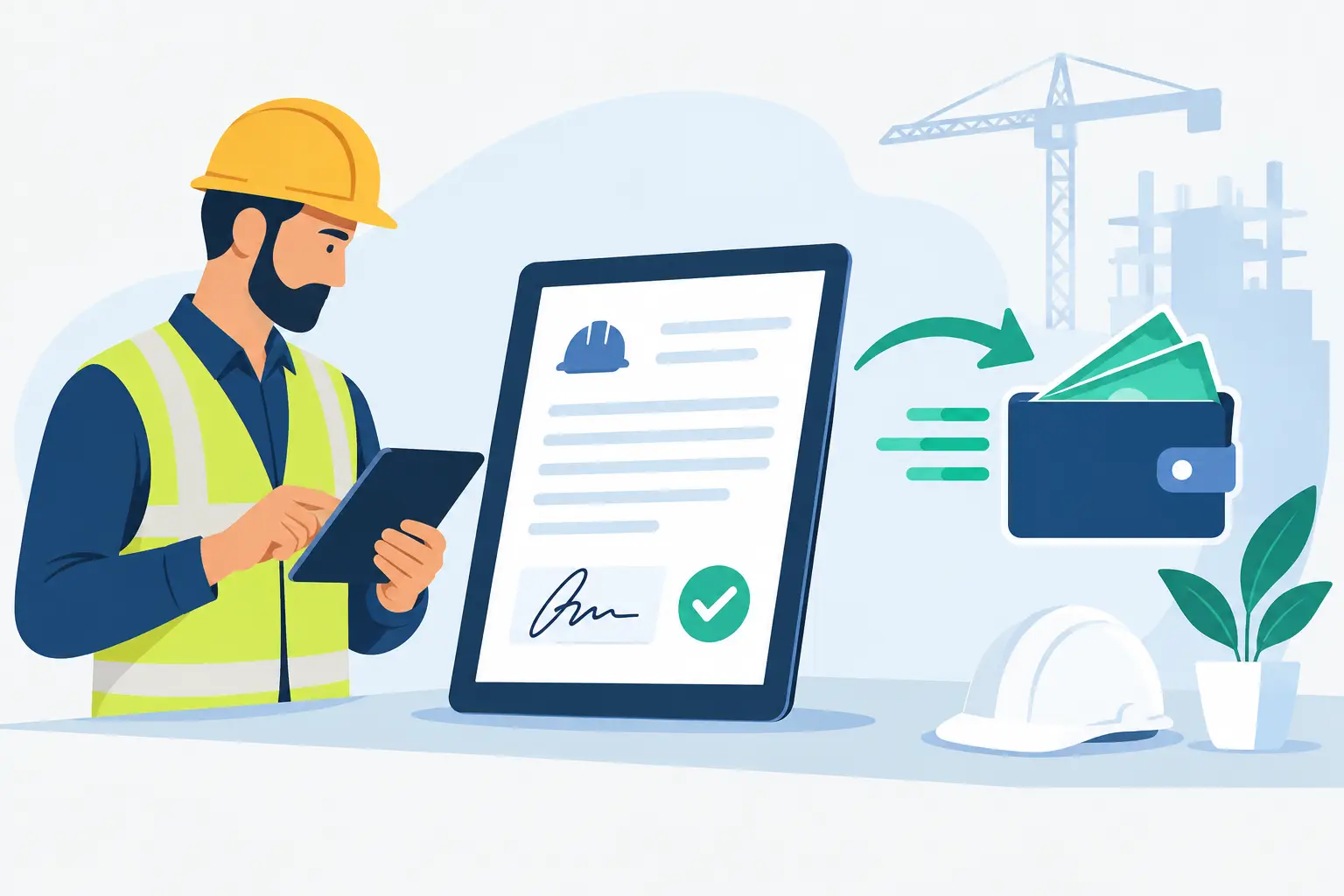
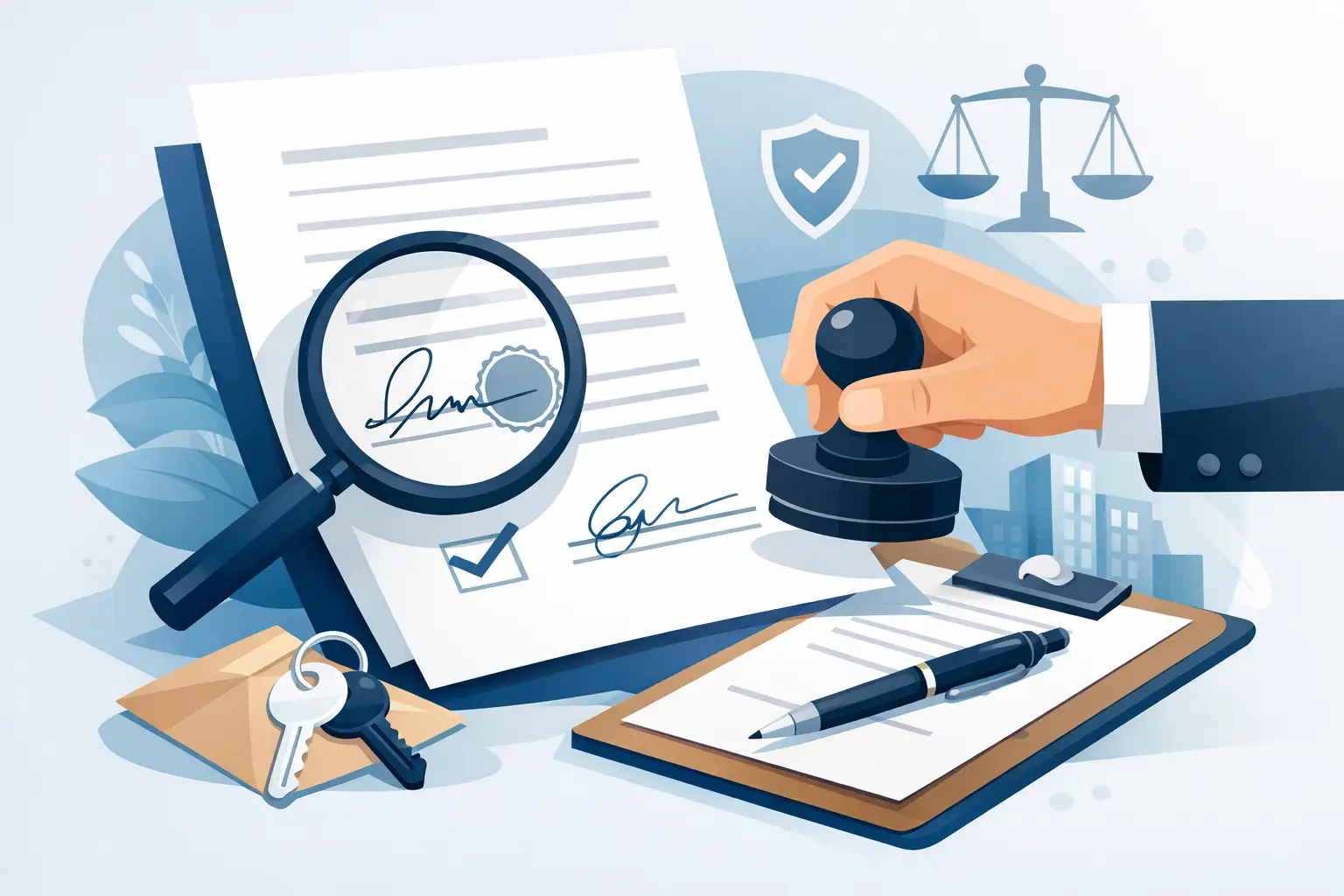
A final payment is supposed to be the easy part. Then the waiver shows up with the wrong owner name, a missing notary block, or language that releases more rights than expected. That is where a final waiver notarization review matters. For contractors and subs, this is not just paperwork cleanup. It is the last check before money changes hands and lien rights are formally affected.
When a final waiver is wrong, the damage is usually not dramatic at first. It looks like a small typo, an incomplete signature, or a notary stamp issue. But those small mistakes can slow payment, create disputes with the owner or general contractor, and leave you arguing over whether the release is valid. If cash flow is already tight, that kind of delay hits hard.
What a final waiver notarization review actually covers
A final waiver notarization review is a practical review of the document before it is signed, notarized, submitted, or relied on by the other side. The goal is simple – make sure the waiver matches the deal, the project, and the payment status.
That means checking the names of the parties, the property information, the contract details, the payment amount, and the legal language in the waiver itself. It also means confirming the notarization section is complete and usable under the requirements that apply in your state and transaction.
For many contractors, the biggest mistake is assuming a waiver is standard just because it came from someone else. It might be common. That does not mean it is correct for your job. Some waivers are conditional, some are unconditional, and some are drafted broadly enough to release claims the signer did not intend to give up.
Why contractors should not treat this as a formality
In construction, timing matters as much as wording. A final waiver often appears near the end of a project, when everyone wants the file closed and the funds released fast. That pressure is exactly why errors get missed.
A careful final waiver notarization review helps you slow down just enough to catch the issues that create expensive back-and-forth later. If the document says final payment has been received when it has not, that is a problem. If the signer does not have authority to sign for the company, that is a problem. If the notary acknowledgment is incomplete or inconsistent with the signature line, that is also a problem.
The point is not to overcomplicate a routine step. The point is to avoid giving up leverage or delaying payment because the final paperwork was rushed.
The most common issues found during a final waiver notarization review
Most waiver problems are not hidden. They are plain on the page once someone looks at the document with the right checklist in mind.
The first issue is party information. Company names, owner names, and hiring party details often get shortened, misspelled, or copied from an earlier draft. If the legal name on the waiver does not match the contracting party, it can create confusion about who is releasing what.
The second issue is property and project identification. The street address may be incomplete. The legal description may be missing where one is expected. The project name may not be enough by itself, especially on multi-phase or multi-building work.
The third issue is payment language. A final waiver should line up with the actual payment status. If the document says payment has been fully made and cleared, but the check is still pending or the wire has not arrived, you may be signing too much too soon. In some situations, a conditional waiver is the better fit until funds are confirmed.
The fourth issue is scope. Some final waivers are narrow and release lien rights tied to a specific contract. Others may be written broadly enough to waive related claims, extras, or disputed amounts. Whether that language is acceptable depends on the facts. That is one of those areas where it depends, and where review matters most.
The fifth issue is notarization. Missing notary dates, incomplete acknowledgment language, unsigned notary sections, expired commissions, and mismatched names are common reasons documents get rejected or questioned.
Conditional versus unconditional final waivers
This is where many payment disputes start. A contractor receives a final waiver request and signs it without noticing whether it is conditional or unconditional.
A conditional final waiver generally means the release becomes effective when payment is actually received or clears. An unconditional final waiver generally means the release is effective upon signing, regardless of whether the funds later fail. That difference is not minor. It affects risk.
If payment is already in hand and verified, an unconditional waiver may be fine. If payment is promised but not cleared, the safer route may be a conditional form. The right choice depends on the timing, the payer, and how much trust has been built on the job. Fast payment is good. Blind paperwork is not.
What to verify before notarization happens
Before a notary is involved, the document itself should be checked for basic accuracy. Once a waiver is signed and notarized, fixing it becomes more annoying and often creates delays that were avoidable.
Start with the business name and signer capacity. The person signing should be clearly identified, and their title should reflect authority to act for the company. If a project manager signs a waiver but the company requires an officer or owner signature, that can create trouble.
Next, confirm the payment statement. Read the sentence that says what is being waived and when. If it does not match the payment reality, stop there and correct it first.
Then review the property details and customer information. On construction paperwork, a single digit error in an address can be enough to trigger questions later. It may seem picky, but the closer the document gets to a legal filing or payment release decision, the less room there is for sloppiness.
Notarization mistakes that cause avoidable delays
The notary block deserves more attention than it usually gets. Contractors often focus on the waiver language and assume the notary section is routine. It is routine until it is wrong.
The signer’s name should match the name referenced in the acknowledgment. The date of notarization should be complete and legible. The notary’s seal and signature should be present where required. If remote notarization is allowed and used, the process still needs to follow the applicable rules. Not every state handles remote notarization the same way, and not every receiving party accepts the same format without question.
There is also a practical issue here. Even if a waiver with a defective notarization could be fixed later, the other side may hold payment until it is corrected. That means more calls, more emails, and more waiting.
Why speed matters, but accuracy matters more
Contractors do not need another lecture about paperwork. They need documents handled fast and right. That is why review and notarization support are valuable when the office is busy, the project is wrapping up, and nobody has time to chase form errors.
A quick turnaround is useful only if the final waiver can actually be used without coming back for revisions. That is the trade-off. Moving fast helps cash flow. Moving too fast creates rework. The best process keeps both in mind.
For companies juggling multiple jobs, outsourcing this kind of administrative step can make sense. A service-focused provider like First Choice Lien can help reduce the friction around waiver prep and notarization so contractors can stay focused on billing, collections, and the next job instead of getting stuck in document cleanup.
When extra caution is worth it
Some final waivers deserve closer review than others. If there is a disputed change order, backcharge disagreement, retainage issue, or unclear payment trail, do not assume a standard final waiver is harmless. The broader the dispute, the more carefully the release language should be checked.
The same applies when the project has multiple owners, layered contracts, or a lender involved in payment control. More parties usually means more chances for the waiver to be drafted in a way that protects someone else better than it protects you.
That does not mean every final waiver is a trap. Many are straightforward. But when the facts are messy, the paperwork deserves more than a quick signature.
A simple standard for reviewing the document
If you want a practical test, use this one: does the final waiver say exactly who is releasing rights, for which project, in exchange for what payment, and under what conditions, with a complete notarization section that can stand on its own?
If the answer is yes, you are probably in good shape. If the answer is maybe, do not sign yet. A few extra minutes on review is usually cheaper than trying to unwind a bad release after payment stalls.
The final waiver should close out a job, not open a new argument. When the document is accurate, properly notarized, and matched to the payment facts, you keep the process moving and protect your position at the same time. That is a better way to finish the work.