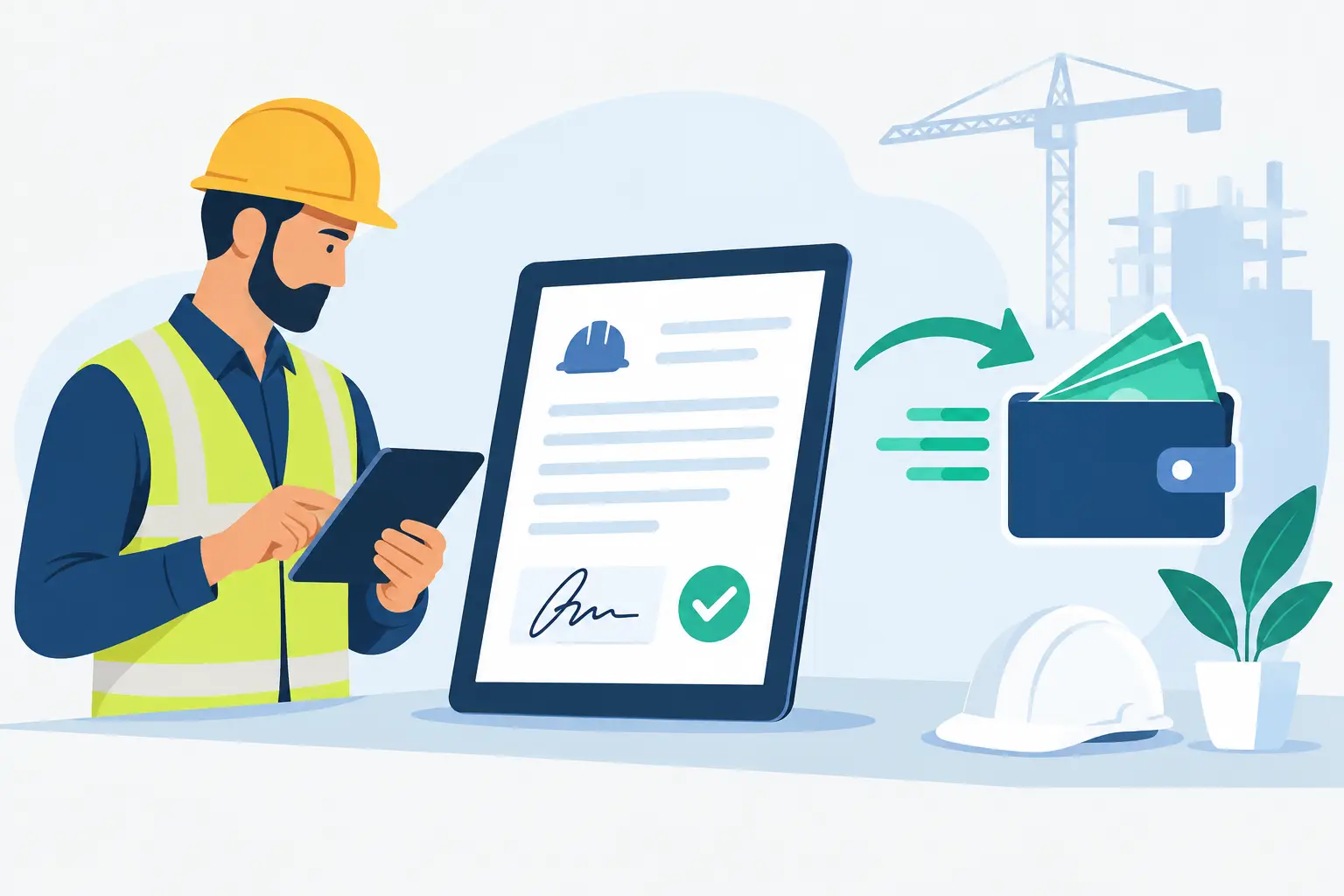
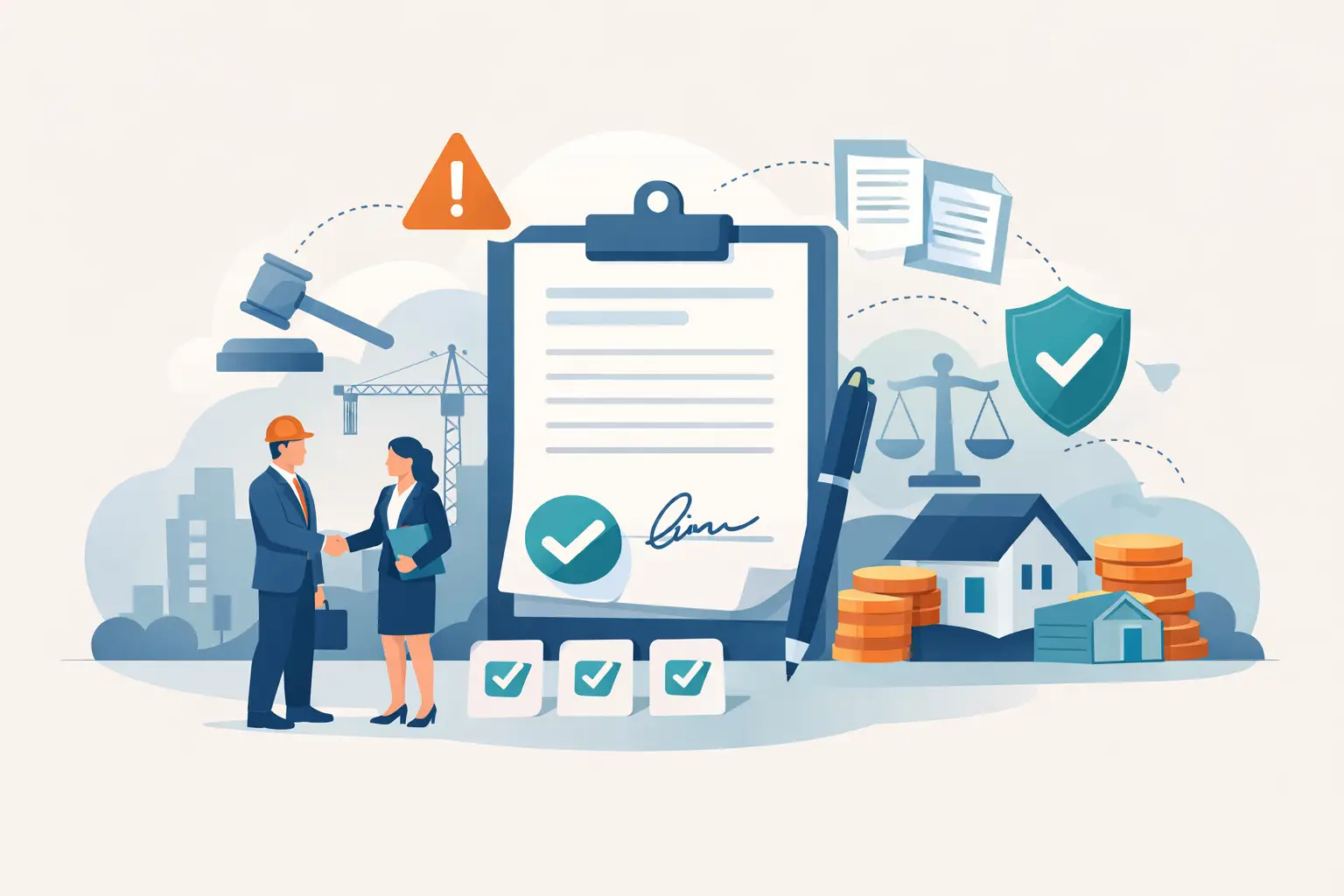
A payment finally hits your account, and the last thing you want is to sign the wrong waiver and give up more rights than you meant to. That is why the best lien waiver practices matter so much for contractors, subcontractors, and suppliers. A lien waiver should confirm what has actually been paid, not create confusion, delay, or unnecessary risk.
On real jobs, waiver problems usually start with speed. A GC wants paperwork turned around today. An owner wants a clean file. Your office is chasing draws, change orders, and retainage at the same time. If the waiver language is broad, conditional terms are missing, or the amount does not match what was received, a simple admin task can turn into a payment rights problem.
What makes lien waiver mistakes so costly
A lien waiver is not just routine paperwork. It affects your ability to assert lien rights tied to labor, materials, and contract amounts. If you sign a final waiver too early, or sign an unconditional waiver before funds actually clear, you may have a hard time recovering unpaid amounts later.
The risk is not always obvious on the front end. Some waivers are written narrowly and only apply to a specific pay application or date range. Others are written broadly enough to cover extras, pending change orders, delay claims, or retention. That is where careful review matters. The form itself may look standard, but the wording can shift the outcome.
For busy contractors, the practical goal is simple: keep paperwork moving without giving up rights you still need.
Best lien waiver practices start with the waiver type
One of the most important best lien waiver practices is making sure the waiver matches the payment status. That sounds basic, but it is where many avoidable problems begin.
A conditional waiver is generally used when payment has been promised or is in process, but not fully cleared. An unconditional waiver is usually more appropriate after money has actually been received and confirmed. Progress waivers apply to partial payments during the job. Final waivers are meant for the last payment and often carry the most risk because they can be drafted very broadly.
If someone sends a final unconditional waiver before final payment is in hand, that should raise a flag. The same goes for any waiver that says you have been paid in full when there is still retention outstanding, disputed change order work, or unresolved extras. A waiver should reflect reality, not someone else’s preferred timeline.
Match each waiver to the draw
Treat every waiver like part of the pay application process, not a separate afterthought. Tie it to the exact invoice, draw number, or billing period. If the project has multiple phases or multiple contracts, make sure the document identifies which work is being covered.
This protects everyone. The payer gets a clear record, and you avoid signing away rights for work outside that payment cycle.
Review the language, not just the title
A form labeled “partial waiver” can still contain broad release language. That is why another of the best lien waiver practices is reading the actual body of the document every time.
Look closely at phrases such as “through the date of this waiver,” “for all labor and materials furnished,” or “waives any and all claims.” Those clauses may reach further than the amount being paid. In some cases, they can affect claims that are not strictly lien claims at all.
The safest approach is to confirm four things before signing: the payer name is correct, the property or project is correctly identified, the dollar amount matches the payment, and the date range does not go beyond the work actually being paid for. If the wording is too broad, ask for a revised form.
That step can feel inconvenient in the moment, especially when payment is waiting on paperwork. But fixing a waiver before signing is much easier than arguing about intent after the fact.
Keep exceptions clear and in writing
Not every payment resolves every issue on a project. You may still be waiting on approved change orders, stored materials, disputed back charges, or retainage. If so, the waiver should not pretend those items are settled.
This is where written exceptions help. If a waiver needs carve-outs, state them clearly. A short notation identifying unpaid retainage, pending extras, or unresolved claims can preserve clarity and reduce the chance of a later dispute. The exact wording may depend on the job and the form being used, but the principle is straightforward: if something is still unpaid, do not let it disappear into vague release language.
For contractors who process a high volume of jobs, this is also an operations issue. Standard internal notes on open items can keep the field, office, and accounting team aligned before any waiver goes out.
Timing matters more than most contractors think
A good waiver signed at the wrong time can still create trouble. One of the smartest best lien waiver practices is building a consistent timing process around when waivers are sent, signed, and stored.
Do not sign an unconditional waiver just because a check has been promised. Confirm receipt. If payment is by ACH or wire, verify that funds have posted. If payment is by check, many contractors wait until it clears. That extra step may feel cautious, but it is practical.
Timing also matters on the front end of the project. If your company is handling preliminary notices, pay app deadlines, and waiver requests across multiple jobs, create a calendar system that tracks them together. Lien rights are deadline-driven. Waivers should be managed with the same discipline.
Use the same review process every time
The jobs may be different, but your review method should be consistent. Whether you are handling a small residential contract or a large commercial draw, use the same internal checkpoints before anyone signs. That reduces rushed decisions and keeps your process trainable if more than one person touches payment paperwork.
Keep records that support your position
If a payment dispute shows up later, your file matters. Save the signed waiver, the related invoice, proof of payment, contract documents, approved change orders, and any email confirming what the waiver was supposed to cover.
This is not overkill. It is basic protection. Construction payment issues often turn on documentation, especially when memories fade and project teams change. A clean file helps show whether the waiver was conditional or unconditional, partial or final, and tied to a specific amount or date range.
Digital organization makes this easier. Store waiver documents by project and payment cycle so they can be found quickly. If you outsource document help, make sure the final versions are returned in a way your office can track without confusion.
Do not assume every state treats waivers the same way
Lien law is state-specific, and waiver rules can vary. Some states regulate waiver forms closely. Others leave more room for custom language. The practical point is that contractors working across state lines should not assume one form works everywhere.
That matters even for companies that mostly operate in one region. A waiver that has been used for years may still need review if the project is in another state, if ownership is requesting its own template, or if the payment structure is unusual. The more money or complexity involved, the less you want to rely on assumptions.
For contractors who want less admin friction, this is often where outside document support earns its value. Services like First Choice Lien can help simplify lien-related paperwork and turnaround so your team is not losing time trying to sort forms under pressure.
Train your team before a problem shows up
Many waiver mistakes happen because the person signing does not know what to look for. On smaller teams, that may be the owner, office manager, or bookkeeper handling documents between calls and jobsite issues. On larger teams, it may be a project manager trying to keep billing moving.
Give anyone involved in payment paperwork a short set of rules. They should know the difference between conditional and unconditional language, when to flag broad release terms, and when to stop and ask questions. They should also know that a waiver is not just a receipt.
This does not require a complicated training program. A one-page internal procedure can prevent expensive mistakes if it covers the basics clearly.
The best process is the one you can actually follow
The best lien waiver practices are not about adding red tape. They are about keeping payment documentation accurate, defensible, and tied to real dollars received. For most contractors, that means using the right waiver type, checking the language every time, preserving exceptions, confirming payment before signing broad releases, and keeping organized records.
If your current process depends on memory, inbox searches, or rushing through forms at the end of the month, that is usually where to start fixing things. A simple, repeatable system will protect your rights better than a stack of forms no one fully reviewed.
When payment is already stressful, your paperwork should make things clearer, not harder. A good waiver process does exactly that.