
A customer can owe you thousands of dollars, but a lien document is only as useful as the property information behind it. If the owner name is wrong, the address is incomplete, or the legal description does not match the project site, a filing can create delays at the exact moment your business needs leverage. That is why choosing the right property search provider matters before you prepare a construction lien or other payment-related document.
For contractors, this is not busywork. Property research helps turn a job-site address into the information needed to identify the correct property, understand who owns it, and prepare documents with greater confidence. The right provider saves time without leaving you to sort through vague reports, confusing records, or missing details.
What a Property Search Provider Should Deliver
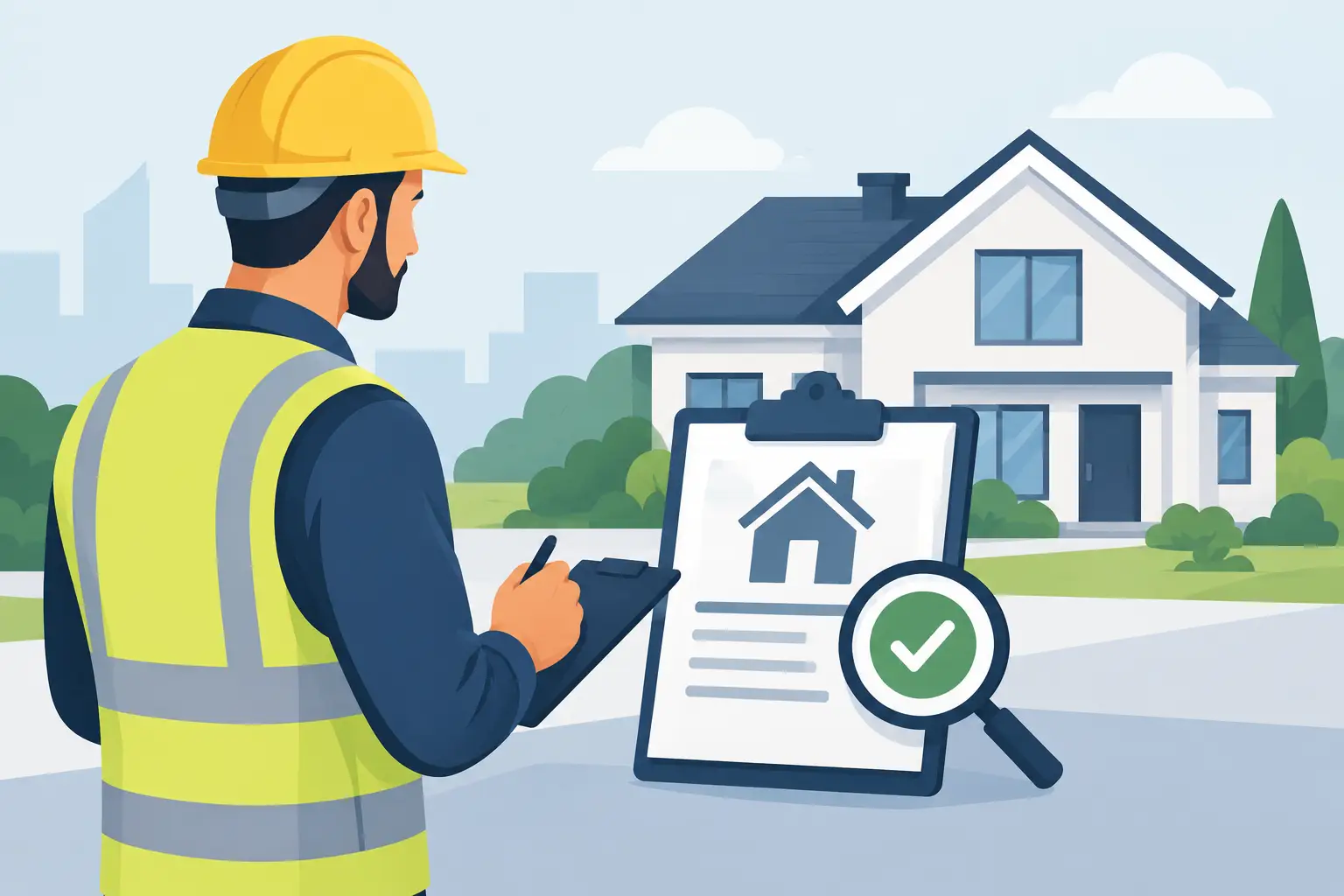
A property search is not simply an online address lookup. Construction projects can involve properties held in a trust, an LLC, multiple individual owners, or a name that differs from the person or company that hired you. A useful search should help clarify the public record information connected to the property.
Depending on the service and available county records, a property search may provide the current owner of record, the property address, parcel or tax identification information, and the legal description. It may also reveal deed history or other recorded information that helps distinguish one property from another.
That distinction matters. A street address is useful for locating a job site, but many lien-related documents require more precise property identification. Two lots can share a similar address. A new build may not have a finalized street number. A large commercial parcel may have a mailing address that does not clearly identify the portion where work occurred.
A good provider gives you information that is organized, readable, and relevant to the task at hand. It should not force you to spend an afternoon translating raw county database results into a usable report.
Property Searches and Lien Searches Are Different
Contractors sometimes use these terms interchangeably, but they answer different questions.
A property search is generally focused on the property itself and the owner shown in public records. It helps you verify the identity and description of the real estate connected to your work.
A lien search, on the other hand, looks for recorded claims or encumbrances that may already affect the property. That can include recorded mechanics liens, judgments, mortgages, or other filings, depending on the scope of the search. A lien search can be helpful when you need a clearer picture of recorded claims, but it does not replace the owner and property details needed for your own documents.
Ask the provider exactly what is included. Do not assume that a basic ownership lookup includes a full lien search, or that a lien search provides every detail needed for a notice or claim. Clear scope upfront prevents surprise costs and wasted time later.
Why Accuracy Matters Before You File
Lien rights are deadline-driven, and requirements vary by state. Even a small mistake can lead to additional work, missed time, or a document that needs to be corrected before filing. The right property information gives you a stronger starting point, especially when the owner listed on the contract is not obviously the owner of record.
Accuracy is particularly important in these situations:
- The project is owned by an LLC, trust, estate, or investment group.
- The person who hired you is a tenant, property manager, general contractor, or developer rather than the recorded owner.
- The job involved a multi-unit building, commercial center, new subdivision, or rural parcel.
- The address on your proposal, invoice, or contract is incomplete or differs from the county record.
- You are close to a notice or filing deadline and cannot afford to research the property twice.
Public records can change, and county systems do not all present information the same way. A reliable provider should recognize that a clean-looking address search is not always enough. The goal is practical: obtain the record details needed to make informed next steps, not just a screen capture that creates more questions.
What to Look for When Choosing a Provider
Speed matters, but speed without clarity is not much help. The best property search provider for a contractor balances turnaround time, straightforward reporting, and upfront expectations.
Clear Scope Before You Order
Before placing an order, you should know what the provider will research and what you will receive. Look for plain-language descriptions of the report, the type of property information included, and any limitations based on public record availability.
Be cautious with services that make broad promises without explaining their process. A low price is not a bargain if the result only repeats information you already have. At the same time, you may not need a costly, extensive research package for every unpaid invoice. The right level of search depends on the property and the stage of your collection effort.
Turnaround That Matches Your Deadline
If you are approaching a statutory notice or lien deadline, turnaround time is a business issue, not a convenience. Ask whether the turnaround is measured in business days and when the clock starts. An order placed late Friday may not move until the next business day.
For many routine searches, a two- to three-business-day turnaround can be practical. More complicated properties, older records, or counties with limited online access may take longer. A dependable provider tells you that upfront rather than promising an instant result that is not realistic.
Easy-to-Read Results
The report should be useful to someone running a construction business, not just someone trained to read land records. You should be able to quickly locate the owner of record, property address, parcel information, and legal description when available.
That does not mean property research is always simple. Trusts, layered business entities, and large developments can require follow-up. But a service provider should make the available information easy to review and flag any obvious limitations instead of burying them in legal jargon.
Transparent Pricing and Support
Construction cash flow is already unpredictable enough. Look for a provider that states its price before you order and explains whether special research, additional parcels, or more extensive records may cost extra.
Support also matters when the address you have does not match the record or the property appears to be part of a larger parcel. You do not necessarily need legal advice from a property research service. You do need responsive administrative support that can explain what information is being searched and what options are available if the first result raises questions.
Give Your Provider the Best Starting Information
Even the best research process works better when you provide complete project details. Include the job-site address exactly as it appears on your contract or invoice, the county and state, the customer or company that hired you, and any alternate owner name you have seen. If you know the parcel number or legal description, provide that as well.
It is also smart to mention whether the work was performed on a single-family home, condominium, commercial property, vacant land, or a multi-parcel development. Those details can help identify problems early.
Keep your contract, change orders, invoices, delivery tickets, and project correspondence together. A property search supports your lien preparation process, but your project records support the underlying claim. One does not replace the other.
When a Basic Search May Not Be Enough
A standard property search is often the right first step, but not every payment problem is standard. You may need additional research if the owner is difficult to identify, the work spans several lots, the property changed hands during the project, or the customer is a business entity with a name that does not match the recorded owner.
You may also need to consider state-specific requirements for preliminary notices, owner notices, lien claims, service, and recording. A property research provider can help with document preparation and record information, but it is not a substitute for legal advice on disputed rights, deadlines, or litigation strategy. If the situation is complicated or a large amount of money is at stake, speaking with a qualified construction attorney can be the right call.
For routine contractor needs, First Choice Lien provides property legal searches designed to reduce the research burden and help you move forward with clearer property information. The point is not to make the process feel legalistic. It is to help you avoid preventable paperwork errors while you keep your attention on jobs, crews, and getting paid.
Use Research Before the Pressure Builds
The worst time to discover an ownership issue is the day before your filing deadline. When an invoice begins aging, review the property details early. Confirm the project address, gather your job records, and order the level of research that fits the situation before the deadline becomes an emergency.
A property search cannot guarantee payment, and it cannot remove every filing requirement. What it can do is replace guesswork with documented public-record information. For a contractor protecting payment rights, that is a practical advantage worth having before the paperwork starts.