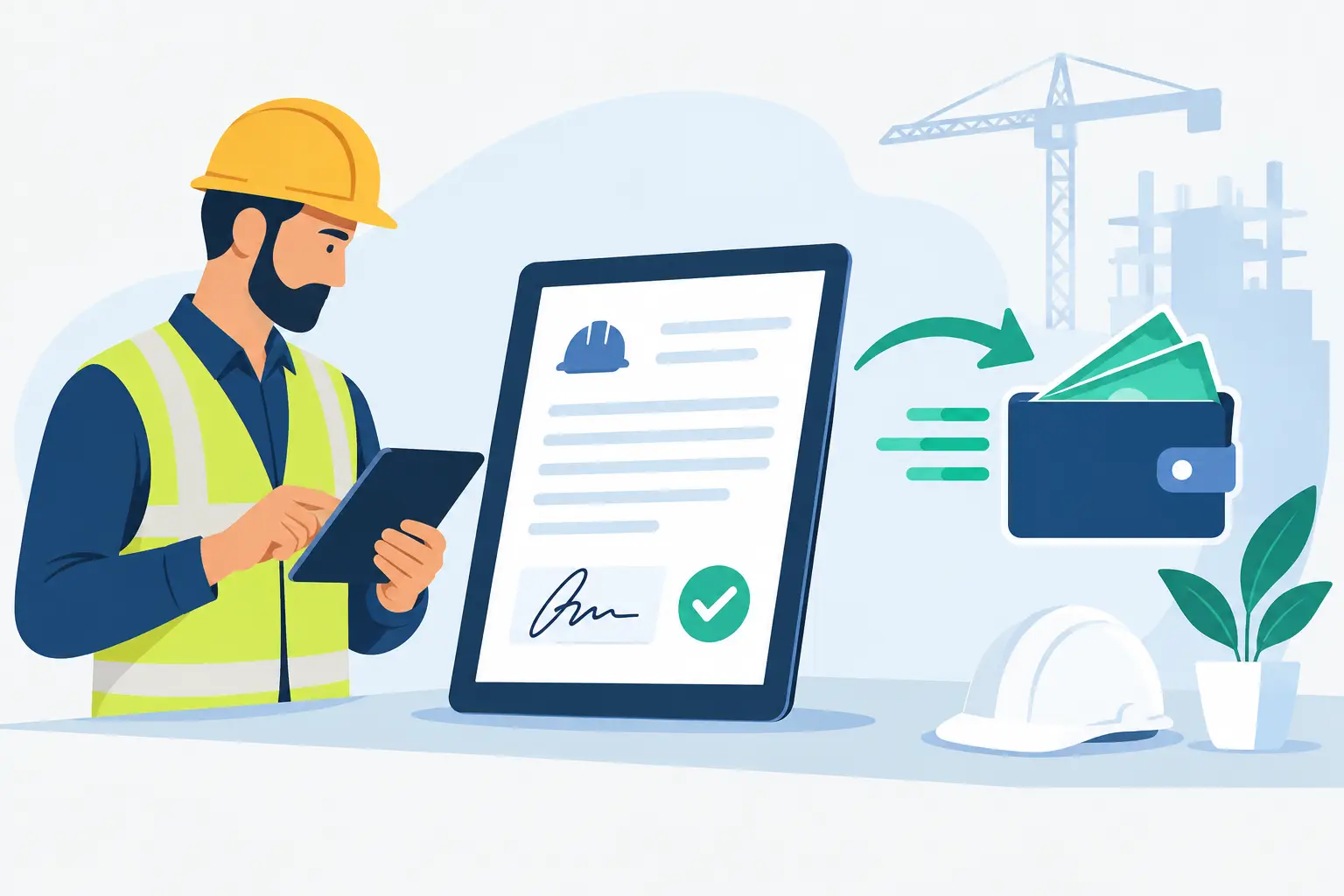
A payment check is ready, but the general contractor sends a waiver with it and asks for a signature first. That is when the question becomes urgent: when is lien waiver required, and can signing it hurt your right to get paid?
For contractors and subcontractors, a lien waiver is usually part of the payment process, not a document you should sign automatically. It can be a reasonable exchange for money you have actually received. It can also create a serious problem if it releases lien rights for unpaid work, disputed change orders, retainage, or future invoices.
The practical rule is simple: review the waiver against the payment, the work period, and your contract before signing. A waiver should match what is being paid – no more and no less.
When Is a Lien Waiver Required?
A lien waiver may be required because your contract says so, because the owner or lender requires waivers before releasing construction funds, or because a general contractor has made it part of its internal payment process. On many commercial and residential jobs, the payment application will not move forward until the contractor submits the requested waiver.
That does not mean every waiver is legally required in every situation. Requirements vary by project contract, lender rules, and state law. Some states prescribe specific waiver forms or limit the language that can be used. Others leave more room for contract terms and custom forms.
In practice, you may be asked for a waiver in four common situations:
- Before a progress payment is issued
- After a progress payment clears
- Before final payment is released
- After final payment has been received
The key difference is whether payment is still promised or has actually been received. That distinction determines whether a conditional or unconditional waiver is generally appropriate.
Conditional vs. Unconditional Waivers
A conditional lien waiver says you waive lien rights only if the stated payment is actually made and clears. It is commonly used when a check is being exchanged, an ACH payment is pending, or a draw request is under review. If the payment does not arrive, the condition has not been met, so the waiver should not take effect.
An unconditional lien waiver says you have already received payment and are releasing rights through a stated date or for a stated amount. This type is normally used after the funds are in your account and available to use. Signing an unconditional waiver before payment clears can leave you with less leverage if the check bounces, the transfer is reversed, or the payer delays payment.
A general contractor may prefer unconditional waivers because they give cleaner documentation to the owner and lender. That does not make an early unconditional waiver a good business decision for the subcontractor. If the money is not confirmed, ask whether a conditional waiver will meet the project requirement.
What a Lien Waiver Actually Gives Up
A waiver is not merely a receipt. It can waive your right to file or enforce a mechanics lien for work, labor, materials, equipment, or services covered by the document. Depending on the wording, it may also affect claims for extras, delay costs, retainage, or disputed change orders.
Read the coverage language closely. A waiver may cover work “through” a specific date, a particular invoice, a payment amount, or the entire contract. Those are not interchangeable.
For example, suppose you receive a $20,000 progress payment for labor and material through June 30. A properly limited conditional waiver may release lien rights only up to that amount and date once payment clears. If the waiver instead says it releases all claims through July 31, but you performed additional work in July that has not been paid, you may be giving up rights tied to that later work.
Retainage deserves the same attention. If retainage remains unpaid, make sure the waiver does not accidentally release your right to pursue it. A final waiver should generally come only after final payment, including approved retainage and any agreed final change-order amounts, has been received.
Do Not Let a Waiver Replace Notice Deadlines
Lien waivers and preliminary notices serve different purposes. A preliminary notice, notice to owner, notice of furnishing, or similar document may be required to preserve lien rights in your state. A signed waiver may release rights. One does not usually replace the other.
Keep tracking your notice and filing deadlines even while payment discussions are active. A promised check, a verbal assurance from the project manager, or a pending waiver request does not stop the clock. Construction lien deadlines can be short and strictly enforced, particularly after you last furnish labor or materials.
This is where contractors often lose leverage. They focus on getting the next draw approved, assume payment is coming, and let a notice or lien deadline pass. If payment fails afterward, the strongest collection option may already be gone.
Review These Details Before Signing
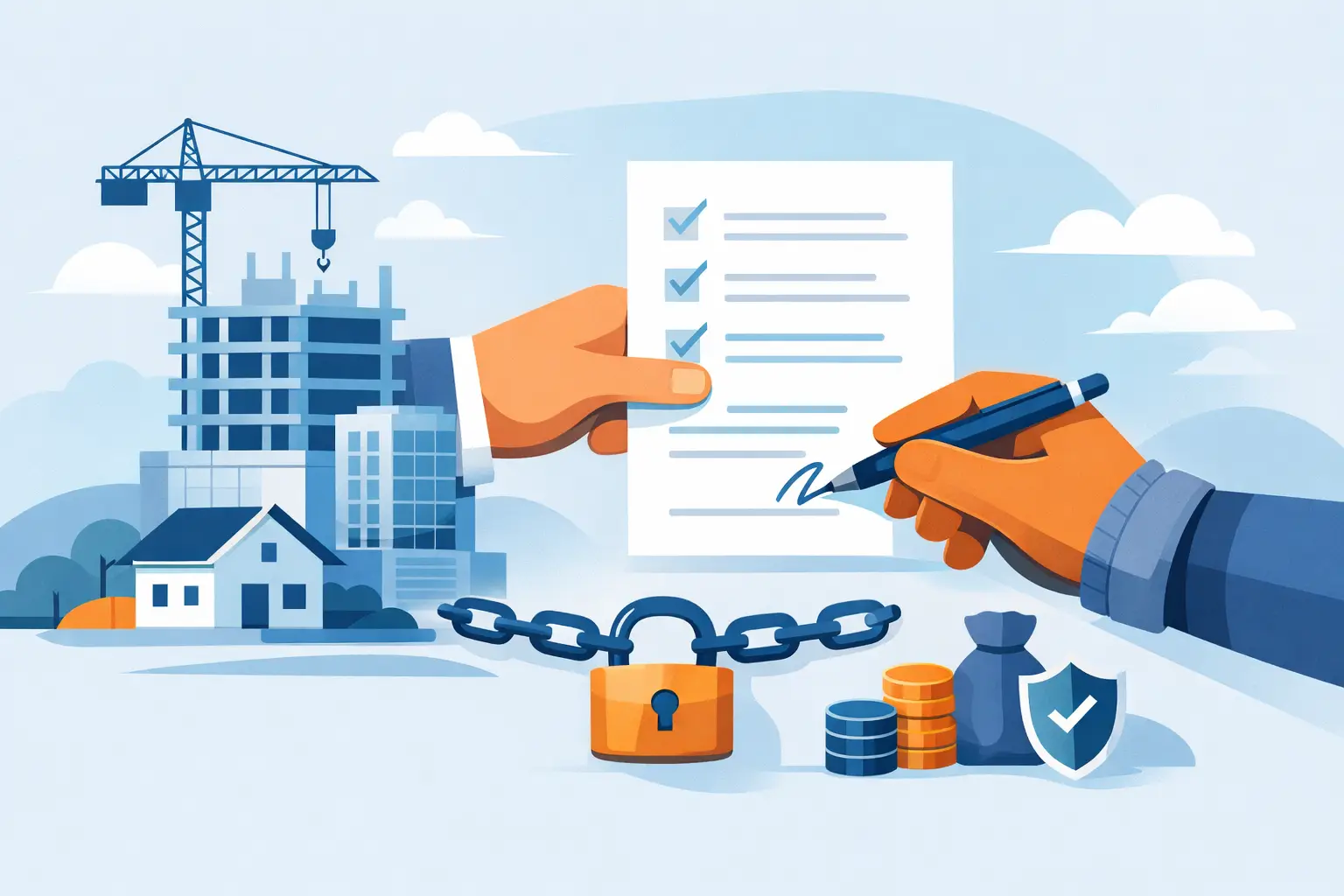
Before you sign any lien waiver, confirm that the document identifies the right project, correct payer, payment amount, and coverage date. Small mistakes can matter. A wrong property description, an overly broad date range, or a vague statement about “all claims” can create confusion when a payment dispute develops.
Pay close attention to language that goes beyond lien rights. Some waivers include releases of contractual claims, claims for delays, claims for extra work, or unknown claims. Those provisions may be broader than the payment you are receiving. If the form is tied to a routine progress draw, it should not quietly settle a separate dispute unless that is a negotiated decision.
Also confirm who is signing. The person signing for your company should have authority to do so. If notarization is required by the owner, lender, title company, or project documents, arrange it before the payment deadline rather than scrambling after the fact.
A Practical Payment Workflow for Contractors
The safest approach is to treat waivers as part of your billing process, not as last-minute paperwork. When you submit a pay application or invoice, identify the exact billing period, current payment amount, prior payments, approved change orders, and retainage balance. That gives you a clear record to compare against any waiver you receive.
For a payment that has not cleared, prepare a conditional waiver limited to the current amount and date range. Once funds are confirmed, provide an unconditional waiver with the same limits if the project requires one. Keep a copy of every signed waiver, proof of payment, invoice, and communication about the draw.
If the form does not match the deal, do not guess. Ask for a corrected form or write in a clear limitation only when your contract and state rules allow it. Crossing out language may be rejected by the payer, but signing inaccurate language simply to keep the payment moving can be more expensive later.
When You Should Pause Before Signing
Pause and get qualified legal guidance if a waiver covers more than the current payment, if there is an active dispute, if you are being asked to waive future rights, or if you have not received the money. The same is true when a waiver is paired with a broad release agreement, settlement language, or an indemnity obligation.
State rules matter. A form that works on one project may not meet requirements on another project across state lines. Illinois contractors, for example, should not assume that a waiver form used on an out-of-state job will protect the same rights or satisfy the same project requirements. When the amount is significant or the wording is broad, a construction attorney can review the document before you sign.
For routine paperwork support, First Choice Lien can help contractors keep lien-related documents organized and moving without adding unnecessary administrative delay. Still, document preparation is not a substitute for legal advice on a disputed release or a complex claim.
A lien waiver should mark a fair exchange: documented payment for the work you have already completed. Keep the waiver narrow, use a conditional form before funds clear, and protect your deadlines until payment is truly in hand.