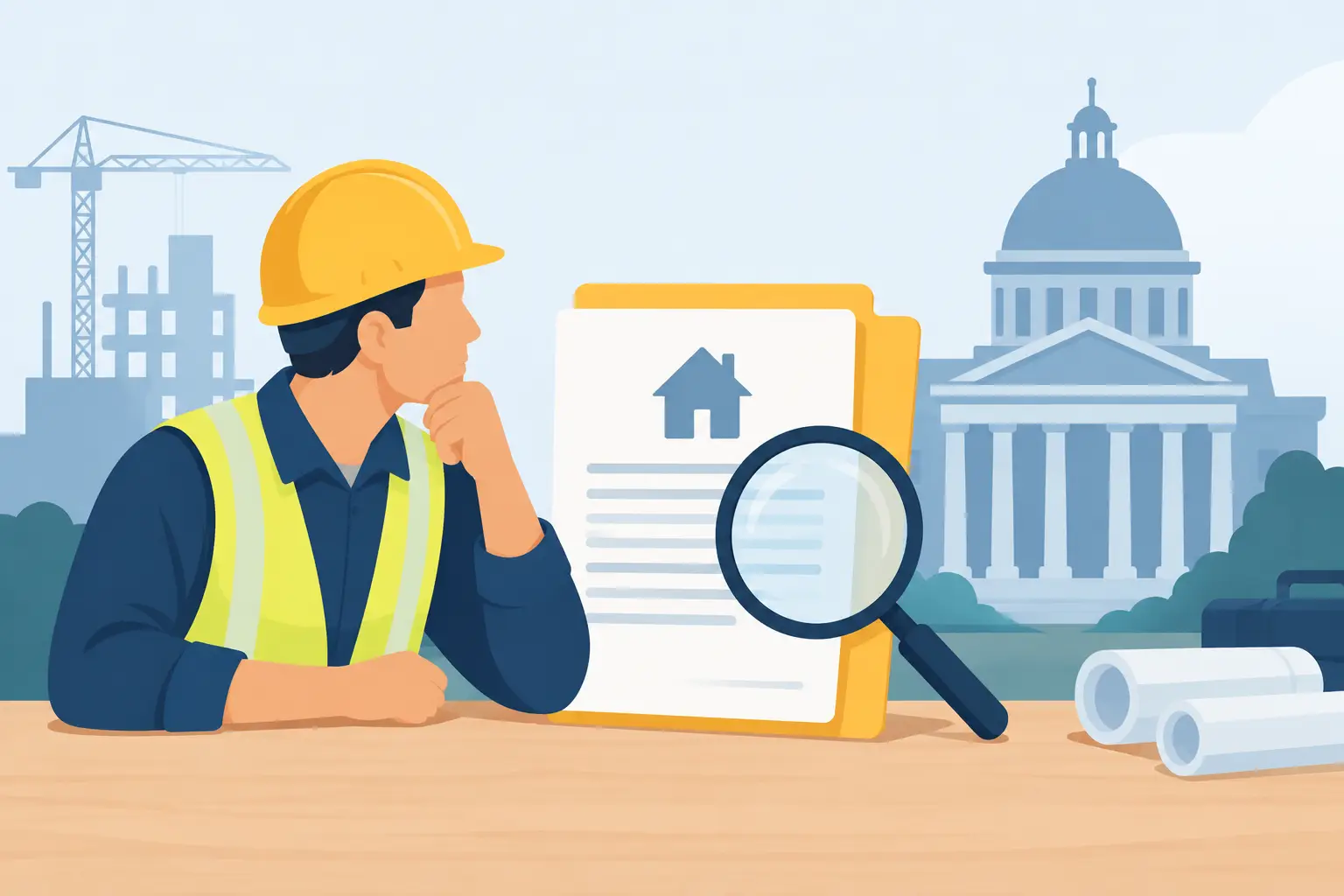

A project can look profitable on paper and still put a contractor in a cash crunch. Labor has been paid, materials are installed, the next phase is waiting, and an approved invoice is sitting somewhere in a payment queue. That gap between work performed and money received is why construction payment trends deserve attention from every contractor, subcontractor, and supplier.
The biggest shift is not that payment problems are new. It is that more construction businesses are treating payment protection as part of project management from day one, rather than a last-minute collection task. Better billing systems help, but they do not replace clear contracts, accurate paperwork, proper waivers, and fast action when a deadline is approaching.
Construction Payment Trends Are Moving Upstream
For years, many contractors waited until a payment dispute became serious before looking at notices, lien rights, or release documents. By then, key dates may have passed, project details may be harder to verify, and the pressure to accept unfavorable terms is much higher.
Now, more businesses are building payment checkpoints into their normal workflow. Before mobilizing, they confirm the legal project name, property address, owner information, hiring party, contract amount, and payment schedule. As work moves forward, they track change orders, invoices, delivery records, partial payments, and any waiver they sign.
This is an operational change, not just a legal one. A contractor who has complete job records can send a clean invoice faster, answer disputes with facts, and prepare payment-protection documents without hunting through old texts and email threads. It also makes it easier to decide whether a slow payment is an administrative delay or a real warning sign.
The trade-off is that front-end organization takes time. Small crews may not have a dedicated office manager, and nobody wants another form to complete at the end of a long day. But a short job setup checklist is usually far less costly than trying to reconstruct a project after the money stops moving.
Digital Billing Is Faster, but It Does Not Remove Risk
Online invoicing, payment portals, electronic approvals, and accounting software have made construction billing more visible. A contractor can often see when an invoice was opened, whether it was rejected, and what information is missing. That is useful, especially on larger projects with multiple approval levels.
Still, a digital system can create false confidence. An invoice marked as submitted is not the same as an invoice approved for payment. A portal message does not automatically change contract terms. And an electronic payment promise does not extend a statutory deadline for preserving lien rights.
Treat digital records as evidence and communication tools, not as substitutes for a payment plan. Keep copies of submitted invoices, approved change orders, payment confirmations, waiver requests, and written explanations for deductions. If a general contractor asks for a correction, respond promptly and preserve the original version as well.
Electronic signatures and digital documents can also be practical, but requirements vary. Some releases, affidavits, notices, and recorded documents may need specific language, notarization, original signatures, or county-level filing procedures. The form that works for one project or state may not fit another.
Conditional Waivers Are Getting More Attention
Lien waivers are often treated like routine paperwork, especially when a draw payment is expected. But the wording matters. A waiver can affect rights for work already billed, retainage, change-order work, or future claims depending on what it says and when it becomes effective.
One of the most useful payment habits is matching the waiver type to the actual payment status. A conditional waiver generally becomes effective when payment clears. An unconditional waiver may take effect upon signing, even if the funds have not arrived. The correct choice depends on the document language, the project, and applicable state rules.
Contractors are also reviewing the scope of every waiver more closely. If an owner or general contractor sends a broad final waiver while there is unpaid retainage or a pending change order, signing it without checking the details can create a serious problem. Final billing should mean final billing, not simply the latest invoice in the system.
Before signing, compare the waiver against the payment amount, the through-date, the project name, and the work covered. If the wording does not match the deal, raise the issue before signing. Getting paid quickly matters, but giving up rights by accident is not a good trade.
Retainage and Change Orders Still Create Friction
Retainage remains one of the most common reasons contractors feel paid but not fully paid. A job may be substantially complete, yet a percentage of the contract amount remains held until closeout, punch-list work, inspections, or final owner approval. That can tie up meaningful cash for months.
The practical trend is greater scrutiny of retainage from the start. Contractors are asking: What percentage will be withheld? Does retainage apply to approved change orders? When is it released? Is it tied to the contractor’s work, the entire project, or final payment from the owner?
Change orders require the same discipline. Verbal direction in the field may keep the job moving, but it can create payment trouble later if there is no written scope, price, and authorization. When an urgent change cannot wait, document who directed it, what was added or changed, the date, and the estimated cost. Follow up with written approval as quickly as possible.
Not every customer will agree to ideal terms. A contractor may decide a project is still worth taking with retainage or a slower approval process. The key is pricing and planning for that reality instead of treating it as a surprise after the work is finished.
Early Notice Tracking Is Becoming Standard Practice
Mechanics lien rights can be a powerful payment-protection tool, but they are deadline-driven and state-specific. Depending on the state and the contractor’s role on the project, preliminary notices or other early notices may be required to preserve rights. Missing one deadline can weaken or eliminate options later.
That is why contractors are moving deadline tracking to the beginning of the job. The trigger date may be the first day labor or materials are furnished, not the day the first invoice is sent. A project address alone may not be enough either. Accurate owner, property, lender, and contracting-party information can matter when notices or lien documents are prepared.
A simple system works if it is used consistently. Create a job file when the contract is signed or work is authorized. Record the first furnishing date, project location, legal property information when needed, key contract parties, and applicable notice dates. Set reminders well before the deadline, not on the deadline.
Because lien laws differ across the country, do not assume a process used on one job applies everywhere. Illinois projects, for example, have their own rules and timelines, just as other states do. When deadlines or document requirements are unclear, get the facts early rather than relying on a form from a past project.
Payment Data Is Becoming a Preconstruction Tool
More contractors are also evaluating payment risk before they bid. They are looking beyond project size and contract value to consider the owner’s payment history, the general contractor’s administrative process, financing status, contract language, and whether the job has clear approval authority.
This does not mean every project needs a lengthy investigation. It means asking practical questions before committing crews and material purchases. Who approves invoices? What backup is required with each draw? Are payments tied to owner funding? Is the schedule realistic? Is there a written process for changes and closeout?
For smaller contractors, this can be the difference between growth and overextension. A large project with a long payment cycle may require more working capital than a smaller project that pays consistently. Revenue matters, but cash timing matters too.
Build a Payment Process Your Team Can Follow
The best payment process is not the most complicated one. It is the one your office and field team can repeat on every job. Keep the project file current, bill on schedule, follow up before an invoice becomes stale, and escalate concerns while documentation is still easy to gather.
When a dispute develops, separate the issues. Is the customer questioning workmanship, missing paperwork, a change order, retainage, or simply waiting on funds from another party? A specific question often produces a more useful response than a general request for payment status.
If lien-related paperwork, property research, or notarized final release documents are slowing down your collection efforts, First Choice Lien can help reduce the administrative burden with straightforward document support. The goal is not to turn every late invoice into a legal fight. It is to keep your options organized before the clock runs out.
Payment protection works best when it is quiet and routine: clear records, timely billing, carefully reviewed waivers, and deadlines tracked before a problem starts. That gives contractors more time to run the work and less time chasing money that should have arrived already.