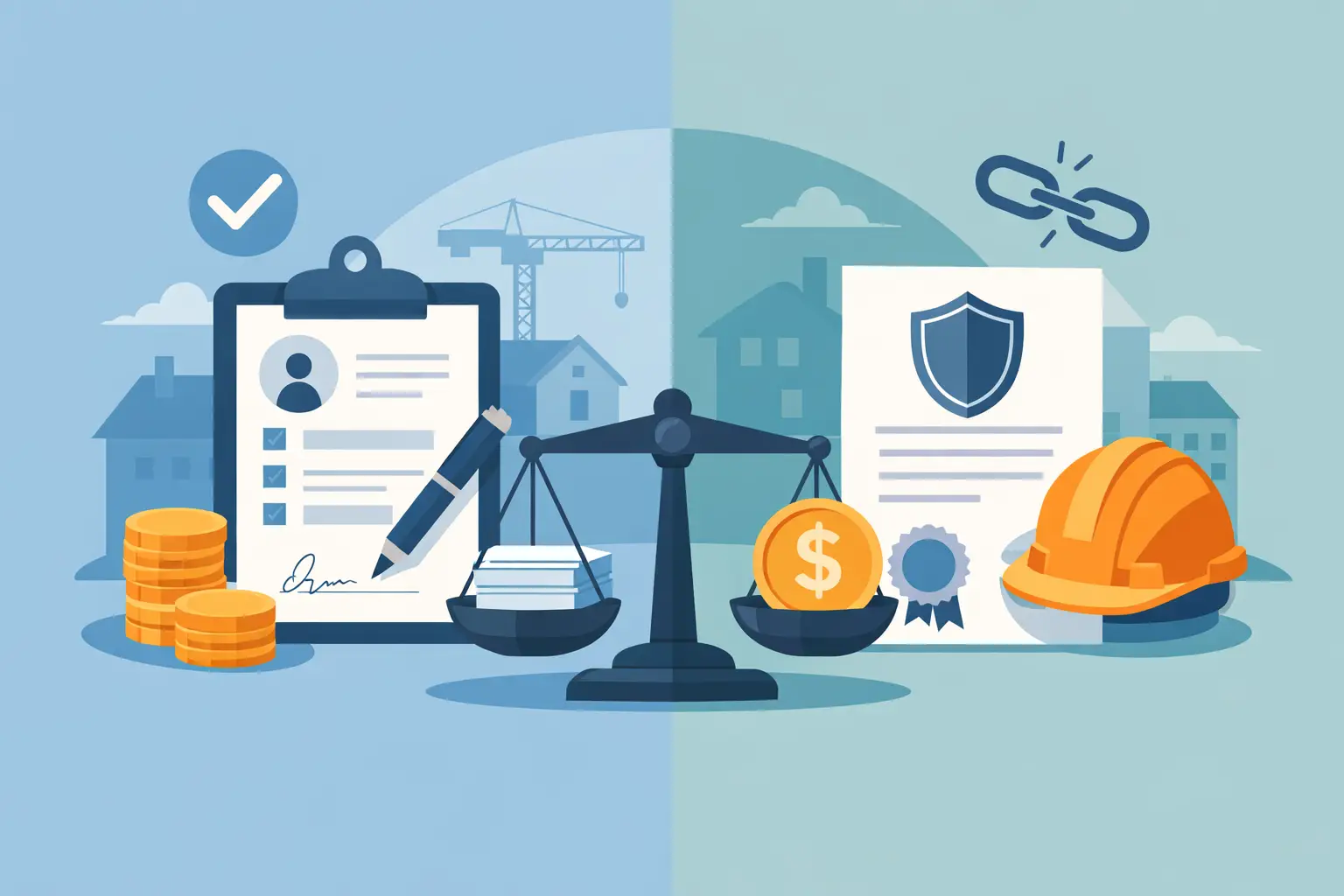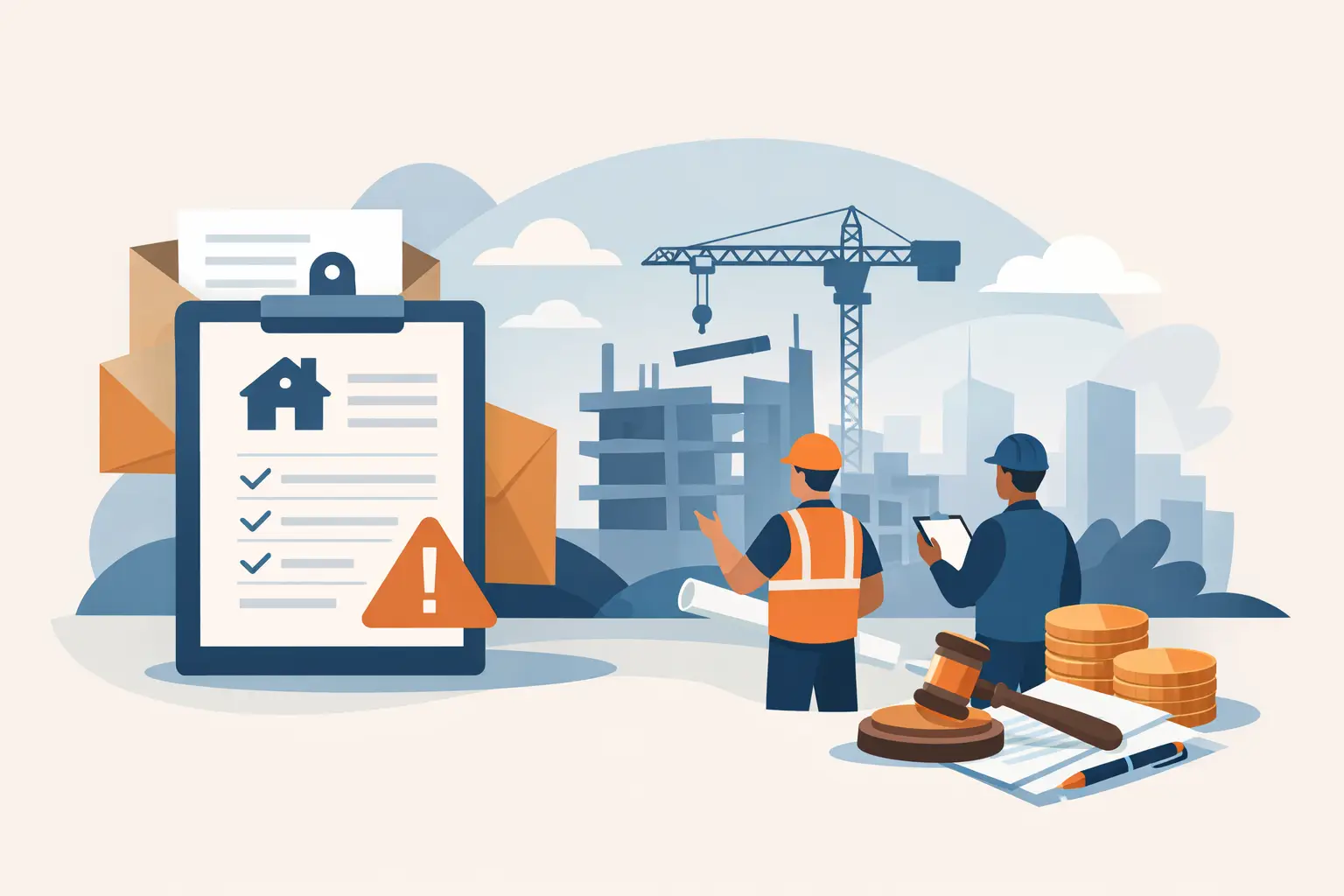

A completed job should lead to a completed payment. But when an owner, general contractor, or customer delays an invoice, the paperwork can become another costly problem. Lien services give contractors a practical way to handle time-sensitive documents, property research, and release paperwork without pulling attention away from crews, bids, and active jobs.
For many construction businesses, the issue is not whether they earned the money. It is whether they can take the right steps before a notice or filing deadline passes. A missed deadline, incorrect property description, or incomplete form can weaken an otherwise valid payment claim. The right administrative support helps reduce those avoidable mistakes.
What Lien Services Actually Do
Lien services support the documentation and research work connected to construction payment rights. They are especially useful when a contractor needs to move quickly but does not have time to sort through county records, prepare forms from scratch, or determine which project details belong on a document.
The exact service depends on the situation. A contractor who has not been paid may need a property legal search before preparing a lien document. A contractor who has received payment may need a final lien waiver or release that is completed correctly and notarized. Another contractor may simply need a dependable starting form before taking the next step.
This support is administrative and document-focused. It does not replace legal advice when there is a serious dispute, a complicated contract issue, bankruptcy, or uncertainty about state-specific rights. Construction lien rules vary by state, project type, and the party requesting payment. Still, having accurate paperwork and property information in hand puts a contractor in a much better position to act.
Why Payment Paperwork Becomes a Jobsite Problem
Unpaid invoices are not just accounting issues. They affect payroll, materials, equipment payments, and the ability to take on the next project. For a small contractor or subcontractor, waiting months for a customer to pay can put real pressure on the business.
The lien process can be difficult because it is deadline-driven. Depending on the state and role on the project, a contractor may have notice requirements before a lien can be filed. There may be strict timing rules for filing, serving, recording, or enforcing a claim. The property owner’s legal name, the parcel details, and the project address must also be handled carefully.
That is where a simple, organized service process matters. Instead of treating lien paperwork as a last-minute emergency, contractors can gather the key job information early: the contract, invoices, change orders, payment history, project address, owner information, and dates work started and ended. When payment trouble appears, the facts are already organized.
The Services That Matter Most
Not every payment issue calls for the same document. Contractors get better results when the service matches the stage of the job and the actual payment status.
Property Legal Searches
A street address is not always enough for lien-related paperwork. A property legal search helps identify the formal legal description and can help confirm ownership information tied to the project property. This step is valuable when records are unclear, the project involves multiple lots, or the customer name on the contract does not match the property owner.
Using the correct property details is not busywork. A lien claim generally attaches to a specific property, so precision matters. If there is any doubt about the correct legal description or ownership, a search can prevent a contractor from relying on incomplete project information.
Lien Document Preparation
Preparing a lien document requires more than filling in a name and dollar amount. The document must reflect the project facts, the work or materials provided, and the proper property details. It must also fit the requirements that apply in the relevant state and county.
A lien preparation service can save time by organizing the details into a clear, usable document. The contractor still needs to provide accurate information and remains responsible for reviewing the final paperwork, meeting applicable deadlines, and recording or serving the document as required. But outsourcing the preparation work can remove a major administrative bottleneck.
Final Lien Waivers and Releases
A waiver or release is commonly used after payment is received. It tells the paying party that the contractor is giving up certain lien rights to the extent stated in the document. That sounds simple, but the wording matters.
A final waiver should not be signed before the contractor understands what payment it covers. Is the payment complete? Does it include approved change orders? Is there retainage still due? Does the document release rights only for the amount received, or for the entire project? These questions should be settled before signing.
When notarization is required or requested, a notarized final release lien waiver adds another layer of formality and helps keep the payment closeout process moving. It is a common need for contractors who want to close a file cleanly after a final check clears.
When It Makes Sense to Outsource the Paperwork
Some contractors prepare every notice, waiver, and lien document in-house. That can work for a company with trained office staff, repeatable internal systems, and enough time to track each state’s rules. For many smaller businesses, though, the office workload already includes estimates, billing, supplier accounts, payroll, insurance, scheduling, and customer calls.
Outsourcing is often the practical choice when a payment deadline is approaching, a property search is needed, or the project paperwork has become disorganized. It can also make sense when the cost of office time exceeds the cost of a focused service.
The trade-off is that no document service can supply missing facts or make business decisions for the contractor. A service provider can prepare forms and complete research efficiently, but the contractor must still decide when to escalate, whether to accept a payment offer, and when a construction attorney is needed. Fast service is most useful when the project information provided is complete and accurate.
What to Have Ready Before Ordering
Fast turnaround begins with clean information. Before requesting lien-related help, gather the signed contract or proposal, invoices, change orders, proof of work, payment records, and all known contact information for the owner, general contractor, and customer.
Have the exact project address ready, along with the dates work began and was last performed. If materials were supplied, keep delivery records. If the job involved a subcontract, keep the contract chain clear so there is no confusion over who hired whom.
It also helps to state the current status in plain language: no payment received, partial payment received, final payment pending, or payment received and release needed. That allows the correct service to be identified without unnecessary back-and-forth.
A Better Process for Protecting Payment Rights
The best time to think about lien paperwork is before an invoice becomes seriously overdue. Start each new project with a complete file, use written change orders, send invoices promptly, and document payment follow-up. If your state requires preliminary notices or similar steps, make those deadlines part of the project setup process rather than an afterthought.
When a payment issue develops, act based on dates rather than promises. A customer may genuinely intend to pay, but verbal reassurance does not extend a statutory deadline. Keep communications professional, preserve records, and verify what action is required in the state where the project is located.
First Choice Lien is built for contractors who need straightforward help with property research, lien document preparation, and notarized final release lien waivers. With upfront pricing and fast processing for most services, the goal is simple: reduce the paperwork burden so you can stay focused on running the work.
A lien-related document is not something to leave until the last day. Get the job details organized, confirm the applicable deadline, and use qualified support when the paperwork starts taking time away from the work that pays your bills.