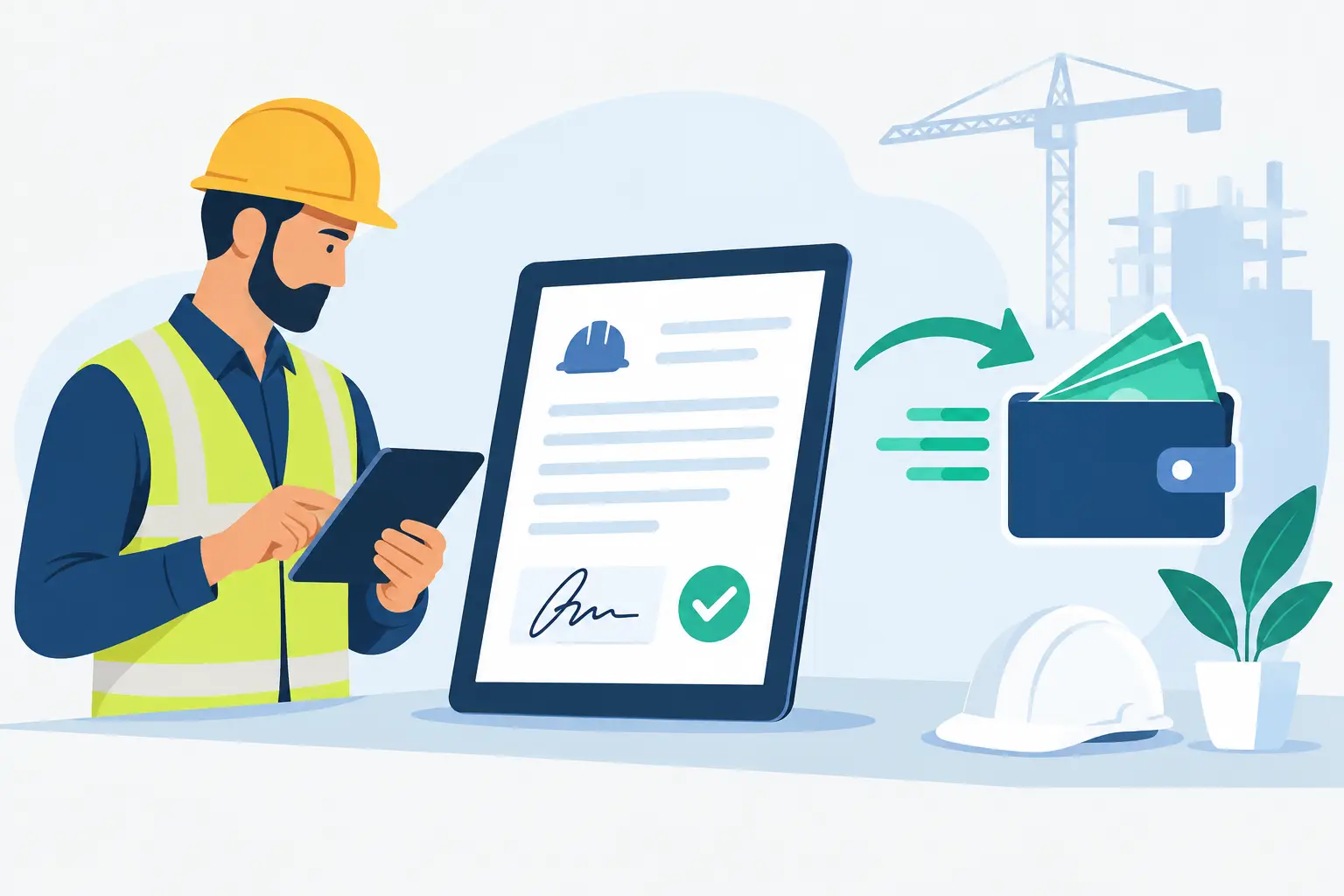
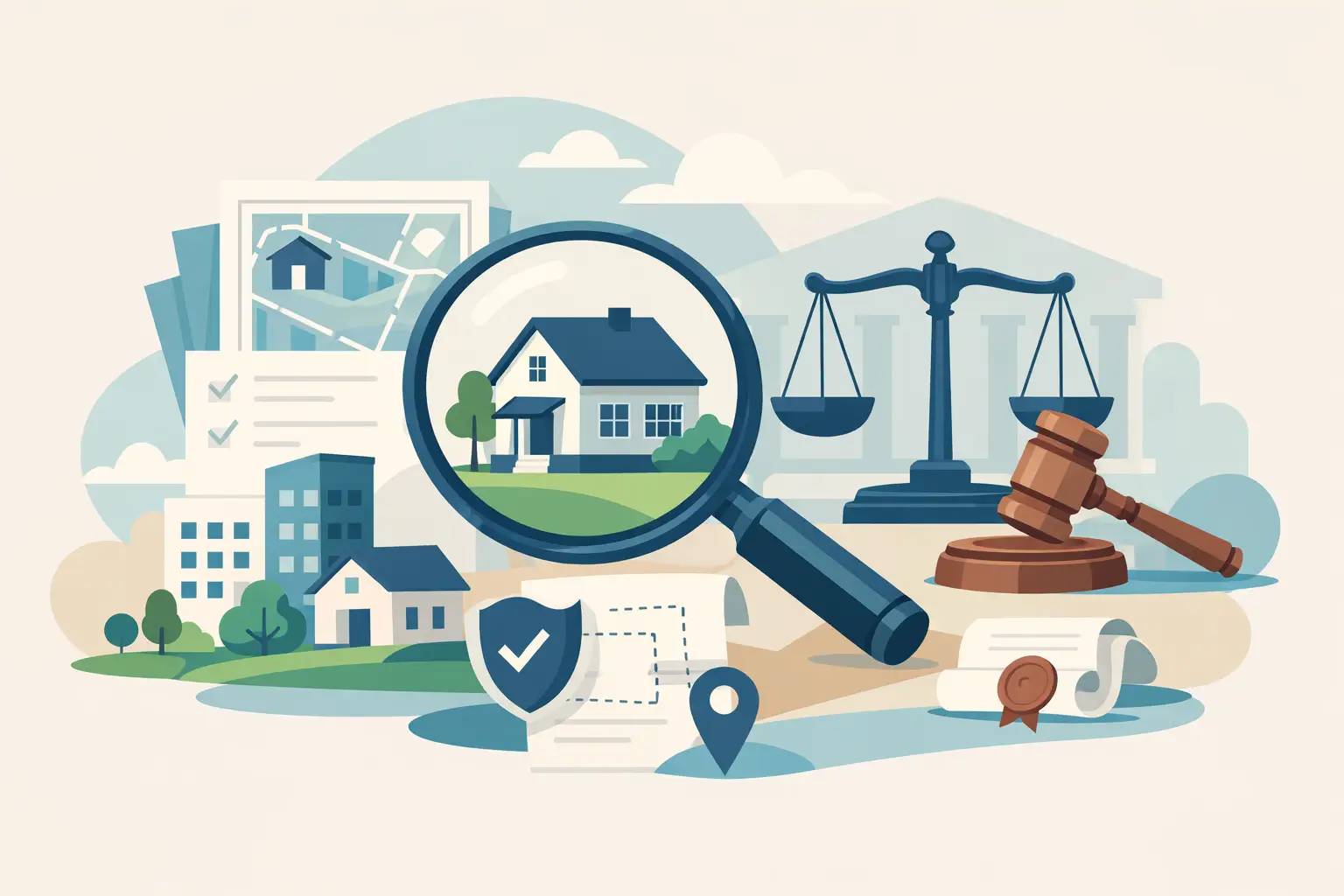
A missed owner name can derail a lien claim faster than most contractors expect. When payment is already late, the last thing you need is to file against the wrong party, use incomplete property details, or waste time hunting through public records. That is where a property legal search service earns its keep. It gives you the verified property information you need to move quickly and file with more confidence.
For contractors, subs, and suppliers, this is not just paperwork. It is cash flow protection. If you are preparing a notice, lien, waiver, or another payment-related document, the quality of the property information matters. Bad data creates delays. Delays create risk. And in construction, risk usually shows up when deadlines are tight and money is already stuck.
What a property legal search service actually does
A property legal search service is used to gather and verify key legal details tied to a specific property. That can include the legal owner, property description, parcel information, and in some cases other recorded details that help support document preparation. The goal is simple – make sure the property and parties connected to your project are identified accurately before you move forward.
That sounds basic, but it solves a common problem. Many contractors start with whatever address appears on an estimate, invoice, permit, or text message from a customer. Sometimes that is enough. Often it is not. A street address alone may not match the legal description needed for formal documents, and the party you dealt with on the job may not be the legal owner shown in county records.
A search can help close that gap. It turns rough project information into usable legal property data. If you are trying to protect payment rights, that step can make the rest of the process much smoother.
Why contractors use a property legal search service
Most contractors do not have spare time to search county systems, compare ownership records, and double-check parcel data. Even when public records are available, they are not always easy to search, and they are not always consistent from one county to the next.
That is why contractors often use a property legal search service before ordering lien-related documents. It saves time, but more importantly, it reduces avoidable mistakes. If your notice or lien is built on incomplete property information, you may end up redoing paperwork or dealing with filing problems later.
The service is especially useful when the project details are messy. Maybe the property has a mailing address that differs from the site address. Maybe the owner is an LLC, trust, or holding company. Maybe the project involves a tenant improvement and you need to understand who is legally tied to the property. These are not rare situations. They come up all the time.
In those cases, a search gives you a cleaner starting point. You still need to make sure the document you file fits your state rules and situation, but accurate property information puts you in a far better position than guessing.
What information matters most
The exact output depends on the property and the records available, but contractors usually care about a few core items.
The first is ownership. If you are sending notices or preparing lien documents, you need to know who legally owns the property, not just who hired you. Those may be the same person, but not always.
The second is the legal description or parcel-level identifying data. A jobsite address is useful for day-to-day work. Legal paperwork may require more precision.
The third is whether the property details line up with the project documents you already have. If the contract, permit, invoice, and public record all point in slightly different directions, that is a sign to slow down and verify before filing anything.
This is where a practical service helps. Instead of leaving contractors to interpret scattered public data on their own, the search process gives them organized property information they can use for the next step.
When it makes sense to order one
Not every job needs a formal search. If you have a simple residential project, clean paperwork, and clear ownership information, you may already have what you need. But there are situations where ordering a property legal search service is the smart move.
It makes sense when payment is overdue and you are considering a lien or notice. It also makes sense when ownership is unclear, when the property is commercial, when the customer is operating through a business entity, or when the paperwork on file does not seem to match the property itself.
It is also useful if you are trying to move fast. Waiting until the filing deadline is close is how mistakes happen. If you know you may need to protect your rights, getting the property details verified early can save a lot of scrambling later.
For many contractors, the real value is administrative relief. You are not paying for legal theory. You are paying to avoid losing hours on record searches while jobs are still running and crews still need attention.
What this service does not replace
A property legal search service is extremely useful, but it is not the same as legal advice. That distinction matters.
The service helps verify property-related information so your documents can be prepared with better accuracy. It does not decide whether you have a valid claim, whether a lien should be filed in your case, or how a court would view a dispute. Those questions depend on the facts, the contract, the state, and the timing.
For contractors, the best way to look at it is this: the search supports the paperwork side of the process. It helps you get cleaner information, faster. That can be enough to keep a payment-protection step on track, especially when paired with document preparation support.
Speed matters more than most people think
Construction payment issues rarely improve with delay. If an account is slipping, every extra day spent chasing records is a day lost. A property legal search service helps shorten that gap between problem and action.
That speed matters for two reasons. First, lien and notice deadlines are not flexible just because records were hard to locate. Second, slow internal follow-up often causes more business damage than the original payment issue. Owners, subs, and office staff start piecing together details from old emails, handwritten notes, and half-complete contracts. The longer that goes on, the harder it is to get clean documentation.
Fast turnaround is not just a convenience. It is often the difference between taking timely action and missing your window.
Choosing the right property legal search service
Not all services are equally useful for contractors. Some are built for title work, some for legal professionals, and some for general record access. If your goal is supporting lien or notice paperwork, you want a service that understands that use case.
Look for clear pricing, realistic turnaround times, and a process that does not bury you in extra steps. You should know what information you need to submit, what the service is expected to return, and how quickly you can move to the next stage.
It also helps to work with a provider that understands contractors are not trying to become paralegals. You need practical results, not a stack of unexplained records. If the service is designed around payment protection and document prep, it is usually a better fit than a general property lookup tool.
That contractor-first approach is one reason companies like First Choice Lien are valuable. The goal is not to complicate the process. It is to help you get the property information you need without burning time you should be spending on jobs, billing, and collections.
The real payoff
The biggest benefit of a property legal search service is not that it gives you more paperwork. It is that it helps you avoid bad paperwork. When ownership is verified, property details are cleaner, and your next step is based on actual records, you have a stronger foundation for whatever comes next.
Sometimes that next step is a preliminary notice. Sometimes it is a lien waiver, a lien document, or a tougher conversation with a nonpaying customer. And sometimes the search shows you that the situation is more complicated than it first looked. That is useful too. It is better to know early than to file blind.
If payment rights matter to your business, good property information is not a luxury. It is part of staying organized, protecting revenue, and acting before deadlines get away from you. A simple search done at the right time can remove a lot of friction from a process that is already stressful enough.
When money is on the line, clear property data gives you something every contractor needs more of – a solid next move.