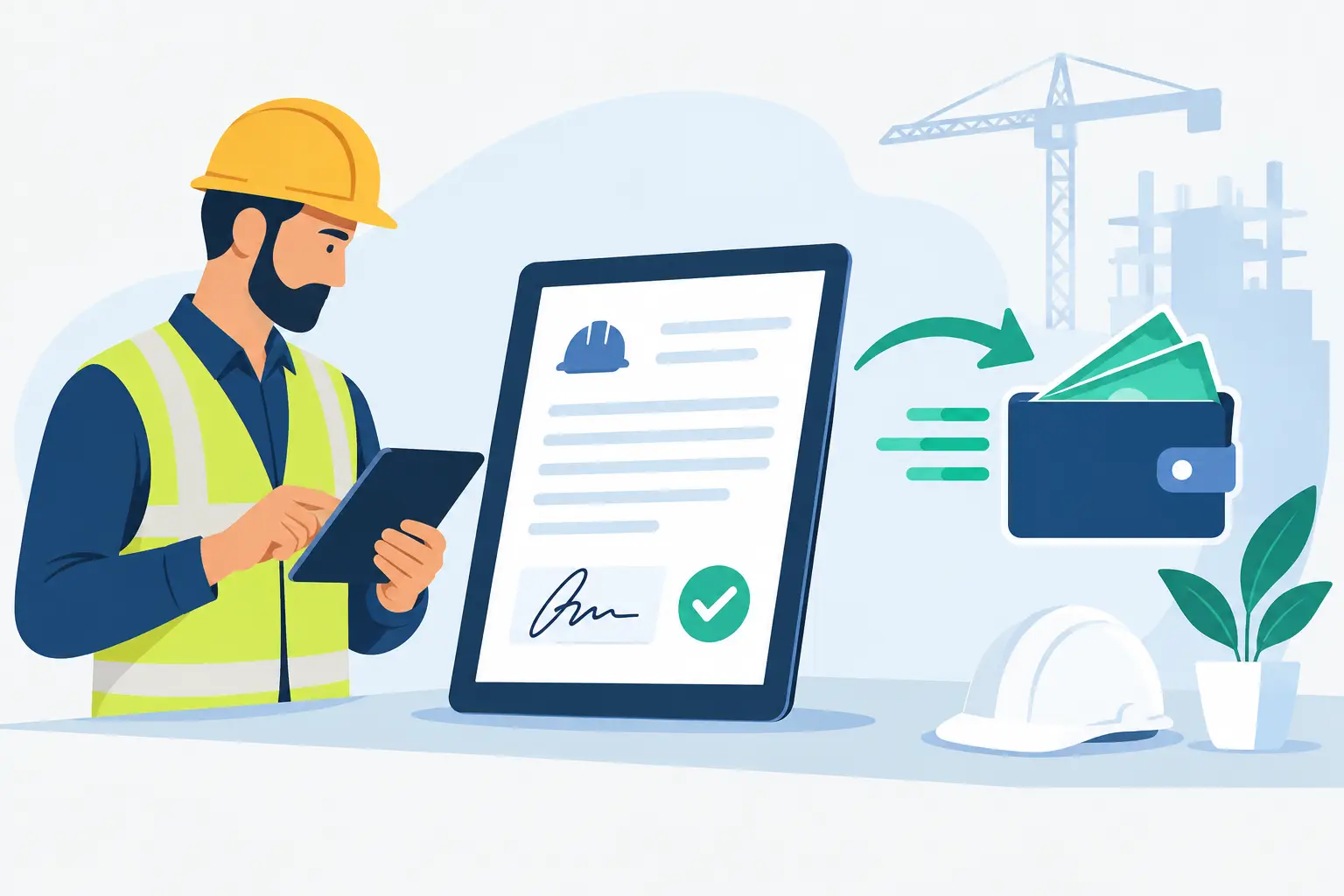
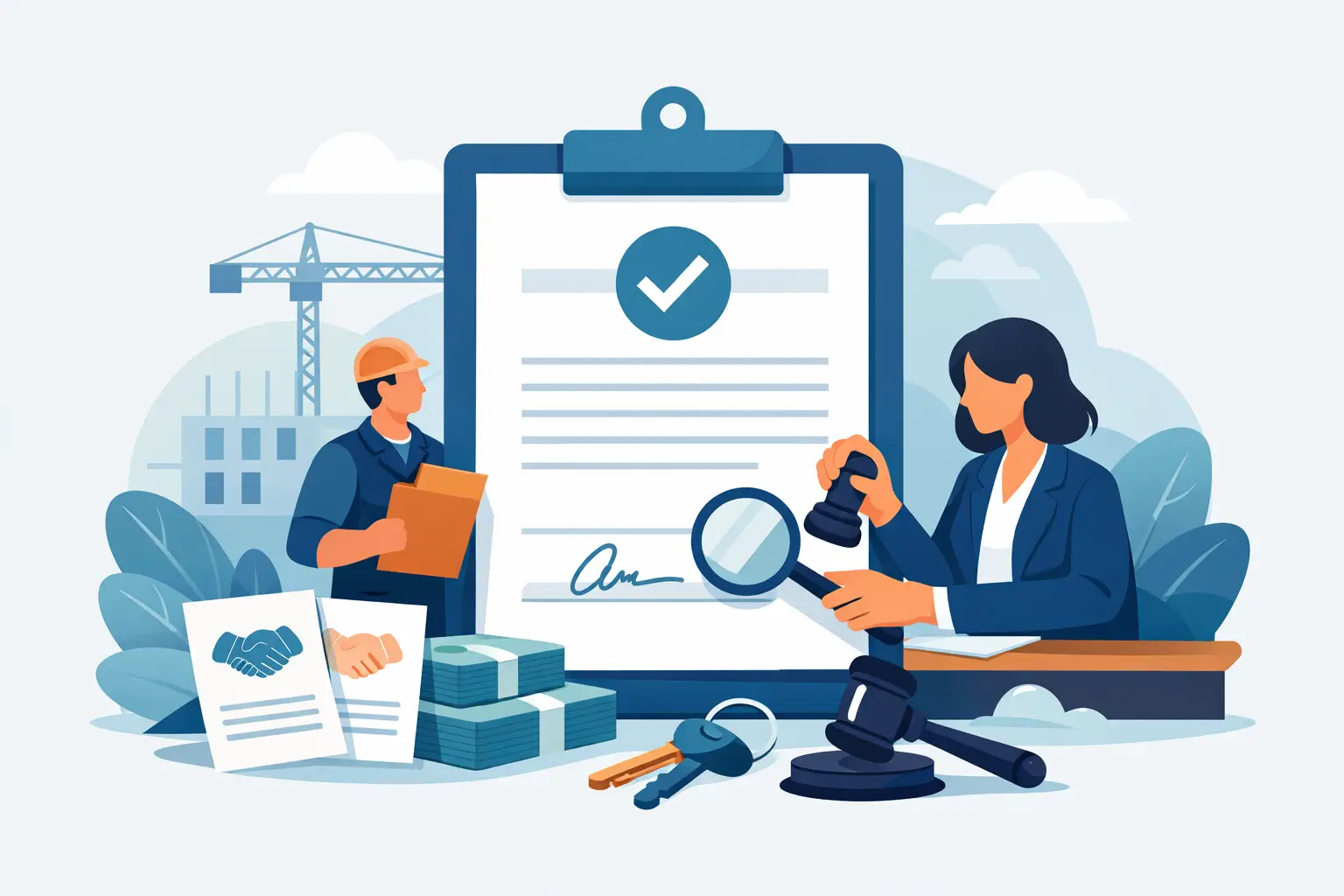
If you are asking how to notarize a lien waiver, you are probably close to getting paid – or close to giving up rights you do not mean to waive. That is why this step deserves more attention than most contractors give it. A lien waiver looks simple, but once it is signed and notarized, it can carry real weight in a payment dispute.
The good news is that notarizing a lien waiver is usually straightforward. The part that causes problems is not the notary stamp itself. It is using the right waiver form, signing it at the right time, and making sure the document says exactly what you intend it to say.
How to notarize a lien waiver
In plain terms, notarizing a lien waiver means you sign the waiver in front of a notary public, prove your identity, and let the notary complete the notarial certificate. The notary is not approving the payment terms or checking whether the waiver is fair. The notary is confirming that the person signing the document appeared, was identified, and signed willingly.
That sounds simple because it is. But before you get that far, confirm that the lien waiver is the correct one for the job. A partial waiver is very different from a final waiver. A conditional waiver is very different from an unconditional waiver. If you notarize the wrong document, the notarization does not fix the underlying mistake.
For most contractors and subcontractors, the process goes like this: review the waiver, verify the payment status, leave signature lines unsigned until you are with the notary, bring valid ID, sign in person, and make sure the notary completes every required section. Then keep a copy for your records before sending the waiver to the party requesting it.
When a lien waiver needs to be notarized
Not every lien waiver has to be notarized. This is where many payment issues start. Some owners, lenders, title companies, or general contractors require notarization as part of their internal process. Some state-specific forms or project requirements may also call for it. In other situations, notarization may not be legally required, but one party still wants it for added formality and proof.
That means the right answer is often, it depends. If you are working in Illinois or on a project with tight lender oversight, you may see notarized waivers requested more often. On a smaller private job, you may not. The safest move is to read the waiver language carefully and confirm the project requirements before signing.
If someone tells you a waiver must be notarized, do not assume they are wrong. But do not assume they are right either. Ask whether the requirement comes from state law, the construction contract, the lender, or the title company. Those are not the same thing, and the answer affects how urgent the notarization really is.
What to check before you sign
Before you get in front of a notary, read the waiver as if it were a payment receipt with legal consequences – because that is basically what it is. Make sure the names are correct, including your company name and the hiring party. Check the property address, job description, payment amount, and the date range covered by the waiver.
Then look closely at the waiver type. A conditional waiver generally means the waiver is tied to actual payment. An unconditional waiver usually means you are giving up rights regardless of whether the payment later clears. That difference matters. If you sign an unconditional final waiver before funds are secure, you may create a collection problem for yourself.
Also confirm who is authorized to sign. If the waiver is being signed on behalf of a company, the signer should have authority to bind that business. A notary can verify identity, but that does not automatically resolve business authorization issues. If the wrong person signs, the waiver can create confusion or become a point of dispute.
What you need to bring to a notary
Most notarizations fail for basic reasons. The signer forgot ID, signed the document too early, or brought a form with blank spaces that should have been completed first.
Bring a current government-issued photo ID, such as a driver’s license, state ID, or passport. Make sure the name on the ID reasonably matches the name on the document. Bring the completed waiver, but do not sign it ahead of time unless the notary specifically confirms the type of notarization allows that. In many cases, the notary will want to watch you sign.
If the waiver includes a notary block, check that it has the right state and county fields and enough room for the seal and signature. If there is no notarial certificate and one is required, that issue should be fixed before the appointment. Notaries are not there to rewrite your waiver or choose legal language for you.
The notarization process step by step
Once you meet with the notary, the process is usually quick. The notary reviews your ID, confirms that you understand what you are signing, and watches you sign if needed. After that, the notary fills out the certificate, signs it, dates it, and applies the seal or stamp.
Take a minute before leaving to inspect the finished document. Make sure your signature is there, the notary signature is there, the seal is visible, and the date is complete. If the document refers to an acknowledgment or jurat, confirm the correct notarial act was used. That is often the notary’s responsibility, but if the form is inconsistent or incomplete, you do not want to discover it later when payment is on hold.
If you are sending the waiver to a general contractor, owner, or title company, keep a copy first. Save a scanned version in your project file along with the related invoice, pay application, and proof of payment if available. Good records matter just as much as the notarization itself.
Common mistakes contractors make
The biggest mistake is notarizing a lien waiver before confirming payment status. If a check has not cleared, or if payment is promised but not actually received, be careful with any final or unconditional language. A fast signature can cost more than a slow collection process.
Another common problem is using the wrong form for the stage of the job. Contractors sometimes sign a final waiver when they only mean to acknowledge one progress payment. Others sign broad waiver language that covers change orders, retainage, or disputed extras that were never paid.
There is also the simple paperwork issue. Misspelled company names, missing notary seals, undated signatures, and incomplete property descriptions all create avoidable delays. If a lender or title company rejects the waiver, you lose time and often delay release of funds.
How to notarize a lien waiver without slowing down payment
Speed matters, especially when payroll and suppliers are waiting. The best way to keep the process moving is to prepare the waiver before the notary appointment, but not rush the review. Fill in the project details, verify the payment amount, and confirm whether the waiver should be partial, final, conditional, or unconditional.
If you handle waivers often, set a simple internal process. Have one person verify job information, one person confirm payment status, and one authorized signer handle execution. That kind of routine cuts down on errors and keeps you from redoing documents at the worst possible time.
For contractors who do not want to chase down forms, notary requirements, and project details every time, outside document support can save time. That is especially true when the waiver is tied to a closing, title review, or strict owner deadline. A service like First Choice Lien can help take the paperwork burden off your plate while you stay focused on the job.
A few situations where extra caution makes sense
If the amount on the waiver does not match what you expected, stop and ask questions. If the waiver language is broader than usual, stop and ask questions. If someone pressures you to sign a final notarized waiver before you can verify funds, definitely stop and ask questions.
This is not about being difficult. It is about protecting your payment rights. A lien waiver is often treated like routine project paperwork, but it can affect what leverage you still have if money goes missing later.
The practical rule is simple: notarize the waiver only after you know the document is correct, the signer is authorized, and the payment terms line up with reality. A notary can witness the signature. Only you can decide whether the waiver says what you are actually willing to give up.
When the form is right, the details are clean, and the notarization is done properly, the whole process becomes what it should be – a quick administrative step, not a problem waiting to surface after the job is over.